Last Updated: September 7, 2026
Compare top B.Sc. Respiratory Care Technology colleges in Bangalore. MVM College first–admissions, fees, curriculum, training & placements.
Bengaluru is a healthcare hub where ICUs, emergency units, and operating theatres depend on skilled respiratory technologists. This guide compares B.Sc Respiratory Care Technology colleges in Bangalore and focuses on what really matters–structured clinical postings, ventilator competency, ABG interpretation, PFT skills, faculty mentoring, fees, and placements. If your goal is a fast, hands-on entry into critical care, the B.Sc Respiratory Care Technology Bangalore pathway offers strong employability across multispecialty hospitals, sleep labs, and home-ventilation providers, with clear growth into ICU educator, ECMO assistance, and device application roles.
Whether you’re a 12th-pass PCB student, a diploma holder seeking lateral entry, a working paramedic upskilling, or hospital HR scouting talent, you’ll find transparent insights on admissions, eligibility, and clinical ecosystems. We profile MVM College first (Top Pick) and credible peers, then compare value for the respiratory therapist course Bangalore audience. Use this 2026–27 guide to shortlist institutes, book campus visits, and secure counselling slots–then choose the respiratory care course in Bangalore that fits your budget, commute, and career plan.
Why study Respiratory Care (career + demand)
Respiratory Care sits at the heart of modern critical care. Bengaluru’s tertiary hospitals, surgical centres, and expanding ICUs need professionals who can manage ventilators, deliver oxygen therapy, interpret ABGs, run PFTs, and support bronchoscopy and airway procedures. Demand keeps rising due to ageing populations, high asthma and COPD prevalence, growing sleep-apnoea awareness, higher surgical volumes, and the need for post-operative respiratory support. Post-pandemic readiness has also kept ventilator competency and ICU staffing firmly in focus, ensuring steady hiring across multispecialty hospitals and emergency networks.
For students seeking a clinical, hands-on role with a visible impact on patients, this field offers rapid employability and structured growth opportunities. Graduates work as respiratory therapists/technologists in adult and paediatric ICUs, emergency units, NICUs, step-down wards, sleep labs, and home-ventilation programs. Career tracks include ECMO and critical-care specialist, pulmonary function technologist, bronchoscopy assistant, clinical educator, and application specialist with med-tech firms. Skills are internationally portable, opening doors to further certifications and overseas opportunities.
In Bengaluru, the scale of hospital networks, device companies, and organised home-care providers translates into strong internships and entry-level roles. Choosing B.Sc Respiratory Care Technology Bangalore and Renal Dialysis Technology (RDT) aligns you with a technology-enabled, patient-centric profession that blends science, teamwork, and rapid career progression–while helping stabilise patients when seconds matter.
What the course covers
Foundations (Year 1): Human anatomy & physiology (respiratory, cardiovascular), biochemistry, microbiology, pathology basics, pharmacology for respiratory care, medical terminology, hospital safety, biomedical instrumentation basics, and communication for healthcare.
Core respiratory sciences (Year 2): Pulmonary anatomy and mechanics, gas exchange and acid–base balance, oxygen delivery systems, airway management, aerosol therapy, chest physiotherapy, ABG sampling and interpretation, pulmonary function testing (spirometry, DLCO, bronchial provocation), sleep medicine fundamentals, and imaging for respiratory conditions.
Critical care & advanced skills (Year 3): Invasive and non-invasive ventilation modes, ventilator graphics and troubleshooting, weaning protocols, humidification, suctioning, bronchial hygiene, bronchoscopy assistance, neonatal and paediatric respiratory care, emergency and trauma airway, ECG basics, infection prevention, and patient monitoring.
Hospital training: Rotations in ICU, NICU, PICU, emergency, pulmonology labs, and operating theatres with case logs, supervised procedures, and shift exposure.
Professional readiness: Documentation, clinical ethics, biomedical waste, interprofessional teamwork, counselling for home-ventilation, device demo skills, and basic research & audit methods.
Assessment & certifications: Internal assessments, OSCEs, viva, university exams, and BLS/ACLS provider courses; optional ECMO and polysomnography workshops.
Outcome: Graduates demonstrate safe ventilator setup, ABG analysis, PFT operation, use of airway adjuncts, crisis resource management, and effective communication with patients and families–preparing them for recruitment pipelines to Bengaluru's high-acuity hospitals and B.Sc. Respiratory Care Technology colleges in Bangalore.
How to choose a college
• Accreditation & affiliation: University-affiliated program; training hospitals with NABH/NABL credentials and audited quality systems.
• Clinical exposure: Confirm ICU/NICU/PICU, OT, pulmonology labs, sleep labs, and bronchoscopy assistance during rotations in Bengaluru.
• Ventilator training: Hands-on with invasive/non-invasive modes, graphics, weaning, ABG interpretation, and PFT operation with logs.
• Faculty strength: Experienced respiratory therapists, anaesthesiologists, pulmonologists; check student–faculty ratio and clinical mentoring hours.
• Hospital MoUs: Multi-hospital tie-ups in Bangalore; request written proof of internships and recent placement partners.
• Placement outcomes: Ask about last year's role mix, salary bands, device-company offers, and home-ventilation hiring pipelines.
• Updated curriculum: Sleep medicine, ECMO basics, neonatal/paediatric care, infection prevention, biomedical instrumentation, and research methods.
• Skills labs: Simulation lab access, modern ventilators, oxygen systems, spirometers, ABG analysers, and checklists for practice.
• Safety & shifts: Transparent duty rosters, night-shift orientation, PPE training, incident reporting, and transport support.
• Fees & ROI: Compare total fees, scholarships, and stipends across B.Sc Respiratory Care Technology colleges in Bangalore.
• Location & commute: Proximity to metro/bus corridors for reliable access to clinical postings and campus.
• Support services include Bridge courses, English communication, counselling, an anti-ragging policy, grievance redressal, and an alumni network for students.
Top Colleges – Detailed Profiles
MVM College of Allied Health Science
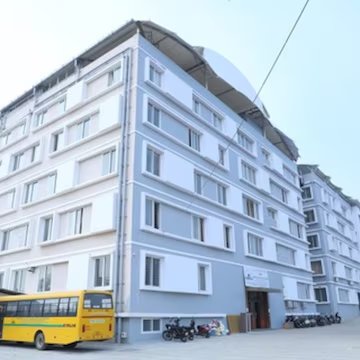
As Bengaluru’s top pick for B.Sc Respiratory Care Technology Bangalore, MVM focuses on ICU-ready skills, ventilator competency, ABG interpretation, and pulmonary function testing (PFT). Classroom learning is reinforced with skills-lab practice on modern ventilators, oxygen delivery systems, spirometers, and monitoring devices. Students log procedures across ICU/NICU/PICU, Emergency, OT and pulmonology labs, building confidence in airway management, aerosol therapy, bronchoscopy assistance, and ventilator troubleshooting. Soft-skills modules cover clinical documentation, infection control, teamwork, and counselling for home-ventilation programs–important for fast-growing Bengaluru providers.
The program’s structure emphasises progressive clinical immersion, including early hospital exposure, OSCEs, viva, university exams, BLS/ACLS provider certifications, and optional workshops (such as sleep studies and ECMO basics). Students practice ventilator graphics, weaning protocols, humidification, bronchial hygiene, and neonatal/paediatric respiratory care–competencies hospitals expect from day one in adult and paediatric ICUs. Placement support targets multispecialty hospitals, sleep labs, and med-tech companies (clinical application roles). For SEO-focused seekers comparing B.Sc. Respiratory Care Technology colleges in Bangalore, MVM’s positioning suits applicants who prioritise hands-on training and job-readiness.
Admissions typically require 10+2 (PCB) with English; shortlisted candidates proceed through counselling and documentation. Applicants can expect guidance on scholarships and fee planning, as well as help scheduling campus visits or online counselling. With Bengaluru's steady demand for respiratory technologists across ICUs and home-care networks, graduates step into roles such as Respiratory Therapist/Technologist, PFT Technologist, Sleep Study Technician, Bronchoscopy Assistant, and Clinical Application Specialist. If your primary goal is employability, along with a structured pathway to critical-care practice, MVM–our "Top Pick"–is a strong starting point for enquiries, form fills, and campus-visit bookings.
JAIN (Deemed-to-be University) – School of Allied Healthcare & Sciences
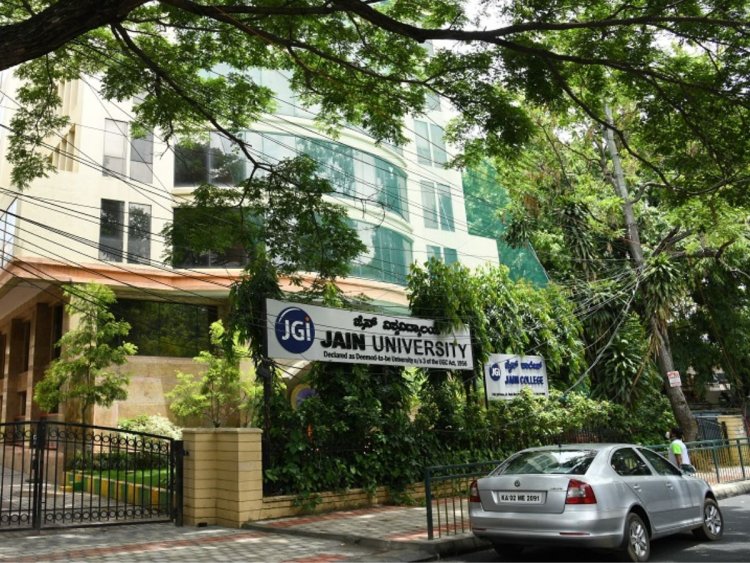
JAIN offers a structured B.Sc. The Respiratory Care Technology program combines respiratory sciences, critical care practices, and device handling. Students learn about ventilator modes (invasive/NIV), ABG interpretation, PFT operations, bronchial hygiene, and emergency airway support, with faculty mentorship and simulation, as well as clinical exposure. The curriculum's focus on critical-care readiness aligns well with Bengaluru's tertiary hospitals and private care providers, supporting roles in ICUs, sleep labs, and home-ventilation services. For searchers comparing respiratory therapist course Bangalore options, JAIN’s positioning and academic ecosystem make it a reliable peer competitor to MVM.
Acharya Institute of Allied Health Sciences
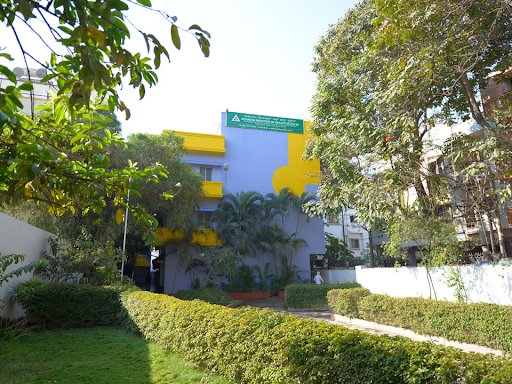
Acharya’s B.Sc. in Respiratory Care Technology emphasises device familiarity, ICU workflows, and procedural documentation. Students receive exposure to oxygen therapy systems, ventilator graphics, ABG sampling, and PFT testing, with structured competencies and support from their advisors. The institute highlights the growing national demand for respiratory technologists and channels graduates into roles in multispecialty hospitals, emergency care, and medical technology. For candidates shortlisting B.Sc Respiratory Care Technology colleges in Bangalore, Acharya provides a campus ecosystem with multiple allied-health programs and a progression pathway from foundation sciences to high-acuity care–useful for placements and lateral growth.
Vydehi Institute of Medical Sciences & Research Centre
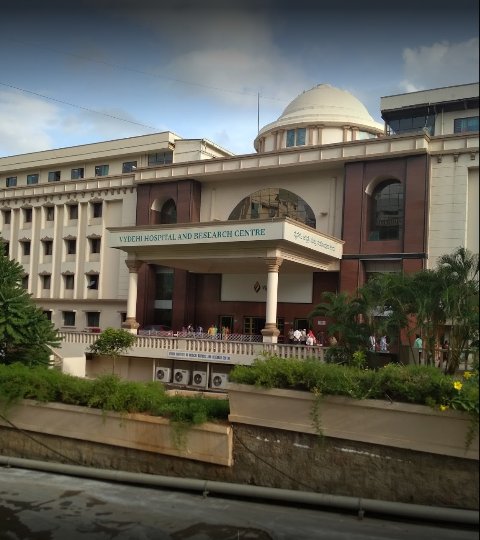
Vydehi offers a hospital-embedded B.Sc. in Respiratory Care Technology with a defined annual intake and clinical immersion. Students train in ventilator management, ABGs, aerosol therapy, chest physiotherapy, and basic bronchoscopy assistance, moving through ICU, OT and pulmonology labs. The institute publicly lists seat availability and course options across allied-health streams, signalling established infrastructure and steady demand. For families comparing respiratory care course in Bangalore options with strong hospital linkage, Vydehi’s ecosystem, seats disclosure, and multi-department setting make it a pragmatic choice for internships and first placements.
Rajarajeswari Medical College & Hospital / RRAHS
At RRMCH/RRAHS, the B.Sc Respiratory Care Technology curriculum emphasises assessment and care of cardio-pulmonary cases, with training across emergency and critical-care settings. Students gain experience in ventilators, oxygen therapy, suctioning, PFTs, and patient monitoring, preparing for roles in adult/paediatric ICUs, bronchoscopy suites, and home-care programs. For candidates mapping respiratory therapist course Bangalore choices with integrated hospital exposure, RRMCH’s program offers a direct clinical pathway and a defined course duration (including internship) to transition into Bengaluru’s job market.
Presidency University – School of Allied Health Sciences
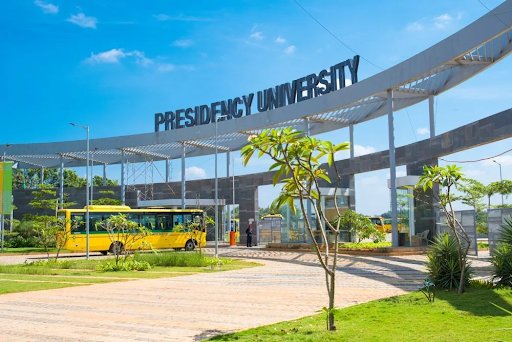
Presidency’s B.Sc in Respiratory Care Technology integrates ventilator management, PFTs, emergency airway care, and critical-care respiratory therapy. The course design targets competency building for ICU/NICU environments, with structured labs and supervised postings. Positioned as a technology-forward campus, Presidency suits students looking for modern pedagogy and an industry-aligned syllabus among B.Sc Respiratory Care Technology colleges in Bangalore. Graduates pursue roles in hospitals, sleep labs, and device firms, with foundations to progress into advanced certifications.
Sri Jayadeva Institute of Cardiovascular Sciences & Research
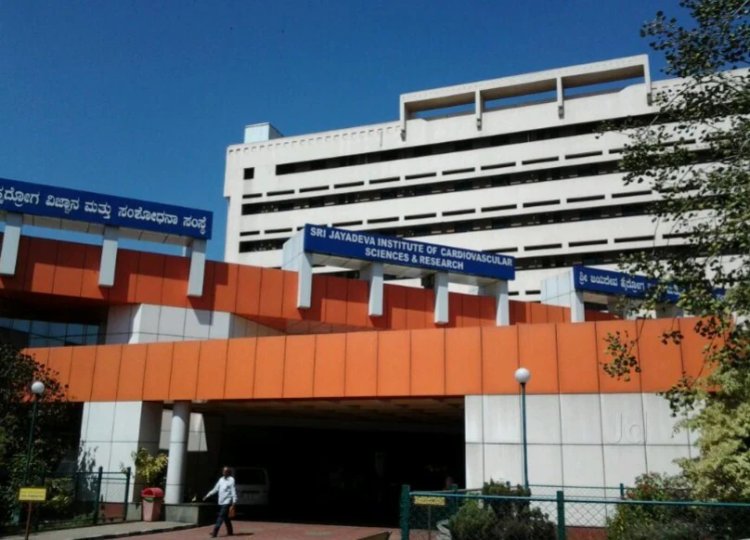
Sri Jayadeva runs a focused B.Sc Respiratory Care Technology offering within a high-acuity cardiac-care ecosystem. Students benefit from exposure to ventilator support in cardio-thoracic contexts, post-operative monitoring, and respiratory protocols for complex patients. Seat availability is listed publicly, underscoring a structured intake and teaching capacity. For applicants who value hands-on learning in a super-speciality setting, Jayadeva provides a niche peer option within Bengaluru’s respiratory care course in Bangalore landscape–particularly attractive to those eyeing cardiac-ICU environments and interdisciplinary teams.
Comparative table (duration, fees range, affiliation, clinical partners)
Choosing among B.Sc Respiratory Care Technology colleges in Bangalore are distinguished by course length, affiliation type, clinical ecosystem, and the real cost-to-value ratio. Government institutes generally follow KEA/RGUHS norms with lower fees; private/deemed universities typically charge higher fees but may offer modern skills labs and broader placements. Look for embedded teaching hospitals (ICU/NICU/PICU, pulmonology labs, sleep labs) and clearly stated intakes or MoUs. Use the table below to shortlist, then verify current fee circulars and seat matrices with each college’s admissions page before applying. This keeps your B.Sc Respiratory Care Technology Bangalore decision grounded in up-to-date, verifiable details.
|
College (Bangalore) |
Duration |
Affiliation type |
Clinical setting (examples) |
Fees (indicative) |
|
MVM College of Allied Health Science |
4 years* |
Private college (univ.-affiliated)* |
Multispecialty hospital tie-ups* |
₹1.2–2.0L/yr* |
|
JAIN (Deemed-to-be Univ.) |
3 + 1 OJT |
Deemed University |
University + partnered hospitals |
₹1.5–2.5L/yr* |
|
Vydehi Institute of Medical Sciences |
4 years |
Private, under the KEA seat matrix |
Large on-campus teaching hospital (10 seats) |
₹1.3–2.2L/yr* |
|
RRMCH / RRAHS |
3.6 years |
Private medical college |
Tertiary hospital on campus |
₹1.2–2.0L/yr* |
|
BMCRI (Govt.) |
4 years |
Government (RGUHS) |
Govt. teaching hospitals network |
Govt. norms (lower) |
|
Presidency University |
4 years |
Private University |
University labs; approval awaited |
₹1.2–1.8L/yr* |
|
Sri Jayadeva Institute |
3 + 1 internship |
Govt. super-speciality; RGUHS syllabus |
Cardiac super-speciality hospital |
Govt. norms / low |
*Indicative–confirm with the admissions office; fees vary by year/quota/scholarships.
Admissions & eligibility (how to apply, documents, important dates)
Eligibility: 10+2 (PCB) with English from a recognised board; many B.Sc Respiratory Care Technology colleges in Bangalore ask for 45–50% aggregate (higher for some quotas). Diploma holders in relevant streams may seek lateral entry, subject to university rules. Good communication, shift readiness, and basic computer skills are preferred.
How to apply: Shortlist institutes, compare fees and clinical tie-ups, then submit the application on each college website. For government seats, track KEA counselling notifications. For management/University seats, apply directly and book a counselling slot or schedule a campus visit. Prioritise colleges with structured ICU/NICU postings and clear MoUs–important for B.Sc Respiratory Care Technology Bangalore outcomes.
Documents: Class 10/12 marksheets, transfer/character certificates, migration (if applicable), Aadhaar/passport copy, photos, caste/category/EWS certificates (if claimed), medical fitness, gap affidavit. Keep scanned PDFs ready.
Important dates: Applications typically open from April to June; merit lists, interviews, and counselling occur from June to August, with classes commencing from July to September. Device company scholarships and need-based aid may have separate timelines; check the pages frequently–search phrases like "respiratory therapist course Bangalore admissions” to locate current circulars and seat matrices.
Placements & career paths (typical roles & salary bands)
Graduates from the B.Sc Respiratory Care Technology Bangalore programs are recruited by multispecialty hospitals, ICU networks, sleep labs, and home-ventilation providers. Entry roles include Respiratory Therapist/Technologist, ICU/NICU/PICU Technologist, Pulmonary Function Technologist, Sleep Study Technician, Bronchoscopy Assistant, and Clinical Application Specialist with med-tech firms. Typical Bengaluru starting salaries are ₹2.8–4.2 LPA in hospitals and ₹3.5–5.0 LPA in device companies; experienced therapists with two to four years can reach ₹4.5–7.0 LPA depending on duty shifts, certifications, and unit complexity.
Strong campuses secure respiratory care internships in Bangalore that convert into pre-placement offers. Recruiters prioritise graduates who can set up and troubleshoot ventilators, interpret ABGs, run spirometry and DLCO tests, assist during bronchoscopy procedures, respond to airway emergencies, and document cases accurately. BLS/ACLS provider cards, neonatal ventilation exposure, and basic sleep study scoring add weight to the selection process.
Career progression typically moves from junior therapist to senior therapist, ICU educator, or unit coordinator. Specialists branch into ECMO assistance, pulmonary diagnostics leadership, home-ventilation program management, and industry roles in applications and training. International pathways are available through bridge exams and credentialing after adequate ICU exposure and the completion of validated case logs. For families comparing the respiratory therapist course Bangalore landscape, verified hospital MoUs and structured rotations drive the strongest outcomes.
Frequently Asked Questions
Need help with admission?
CollegesInfo.org helps students secure admission to colleges they are eligible for under that college's actual published criteria. Chat with us on WhatsApp or explore admission assistance.
About This Guide
This article is written and maintained by L K Monu Borkala, founder of CollegesInfo.org and OneCity Technologies Pvt Ltd. L K Monu Borkala has been publishing Karnataka education directories since 2006 and covering college admissions data since 2019 through CollegesInfo.org – from KCET counselling to NEET seat selection to MBA programme choices. CollegesInfo.org was built to give Karnataka families the same honest, data-backed guidance that was previously only available through expensive consultants or personal connections.
Information on this page is compiled from official sources including KEA (Karnataka Examinations Authority), RGUHS, VTU, NMC, PCI, INC, and direct feedback from students and families who have gone through the admission process. If you find anything outdated or incorrect, WhatsApp us at +91 6363 330 233 and we will update it.
Need personalised advice for your specific situation – rank, category, budget, or career goal? Our counselling is free. WhatsApp us directly and we will respond within 24 hours.
Official Sources: Information on this page is sourced from All India Council for Technical Education (AICTE) and University Grants Commission (UGC), the primary regulatory bodies governing this subject in India.