
Karnataka has 75 Ayurveda (BAMS) colleges, making it one of India largest hubs for Ayurvedic medical education. BAMS (Bachelor of Ayurvedic Medicine and Surgery) is a 5.5-year degree (4.5 years academics + 1 year compulsory internship) that qualifies graduates to practice as Ayurvedic doctors. With NEET now mandatory for BAMS admission and the government actively promoting AYUSH healthcare, understanding your BAMS options in Karnataka has never been more important.
Having tracked medical education across Karnataka since 2006, this guide covers everything from NEET cutoffs to college fees to career prospects. If your NEET score falls between 200-450 and MBBS seats are out of reach, BAMS is not a consolation prize. It is a legitimate medical career with growing demand, independent practice rights, and specialization opportunities.
Why BAMS is a Smart Choice in 2027
Many students and parents still view BAMS as a last resort after failing to get MBBS. This perception is outdated and financially incorrect. Here is why BAMS deserves serious consideration.
Cost comparison: BAMS government quota costs Rs 1.5-5 lakh total for 4.5 years. MBBS management quota costs Rs 50-80 lakh total. A BAMS graduate starts earning 5 years earlier (financially) than an MBBS management quota student who is still repaying education loans. Even BAMS management quota at Rs 10-40 lakh total is a fraction of MBBS management costs.
Where MBBS abroad fits into this comparison: A full MBBS at a verified NMC-eligible university in Russia typically costs Rs 20-40 lakh total, more than BAMS but still a fraction of MBBS management quota, and it results in an actual MBBS degree rather than BAMS. It carries real trade-offs (a Russian-language clinical year from Year 4, NExT clearance needed on return) that BAMS does not. Read our MBBS Abroad guide for the honest comparison.
Practice rights: BAMS graduates are registered medical practitioners under AYUSH. They can independently examine patients, diagnose conditions, prescribe Ayurvedic medicines, perform Panchakarma therapies, and run their own clinics. In many rural Karnataka areas, BAMS doctors serve as the primary healthcare providers.
Government push: The National AYUSH Mission, AYUSH Wellness Centers under Ayushman Bharat, and the integration of Ayurveda into the mainstream healthcare system are creating thousands of new positions for BAMS graduates. Karnataka has been at the forefront of this AYUSH integration with AYUSH hospitals in every district.
Specialization options: After BAMS, graduates can pursue MD (Ayurveda) in specializations like Kayachikitsa (Internal Medicine), Shalya Tantra (Surgery), Prasuti Tantra (Obstetrics and Gynecology), Shalakya Tantra (ENT and Ophthalmology), and Panchakarma. MD Ayurveda specialists earn Rs 8-15 lakh per annum in hospitals and significantly more in private practice.
International demand: Ayurveda is gaining global recognition. BAMS graduates are finding opportunities in wellness resorts, Ayurveda clinics, and integrative medicine centers in Europe, Middle East, Japan, and Southeast Asia. Kerala and Karnataka BAMS graduates are particularly sought after internationally.
NEET Cutoff for BAMS in Karnataka
NEET is mandatory for BAMS admission since 2020. The NEET cutoff for BAMS is significantly lower than MBBS, making it accessible to a wider range of students.
Government BAMS colleges in Karnataka: General category students typically need NEET scores of 300-400 for government Ayurveda colleges. SC/ST students may get admission at 200-300 range due to reservation. The exact cutoff varies yearly based on the number of applicants and seat availability.
Private BAMS colleges government quota: NEET 250-350 is generally sufficient. Private colleges under KEA counselling have more seats and lower cutoffs than government colleges.
Private BAMS management quota: Minimum qualifying NEET score (currently around 130-140 for general category) is technically sufficient for management quota. However, better NEET scores may get fee concessions.
Practical advice: If your NEET score is 300+, target government BAMS colleges through KEA counselling. If 200-300, target private colleges under government quota. Below 200, management quota at private colleges is the option but evaluate the fee carefully against career earning potential.
Top Government BAMS Colleges in Karnataka
Government Ayurveda Medical College Bangalore (GAMC):
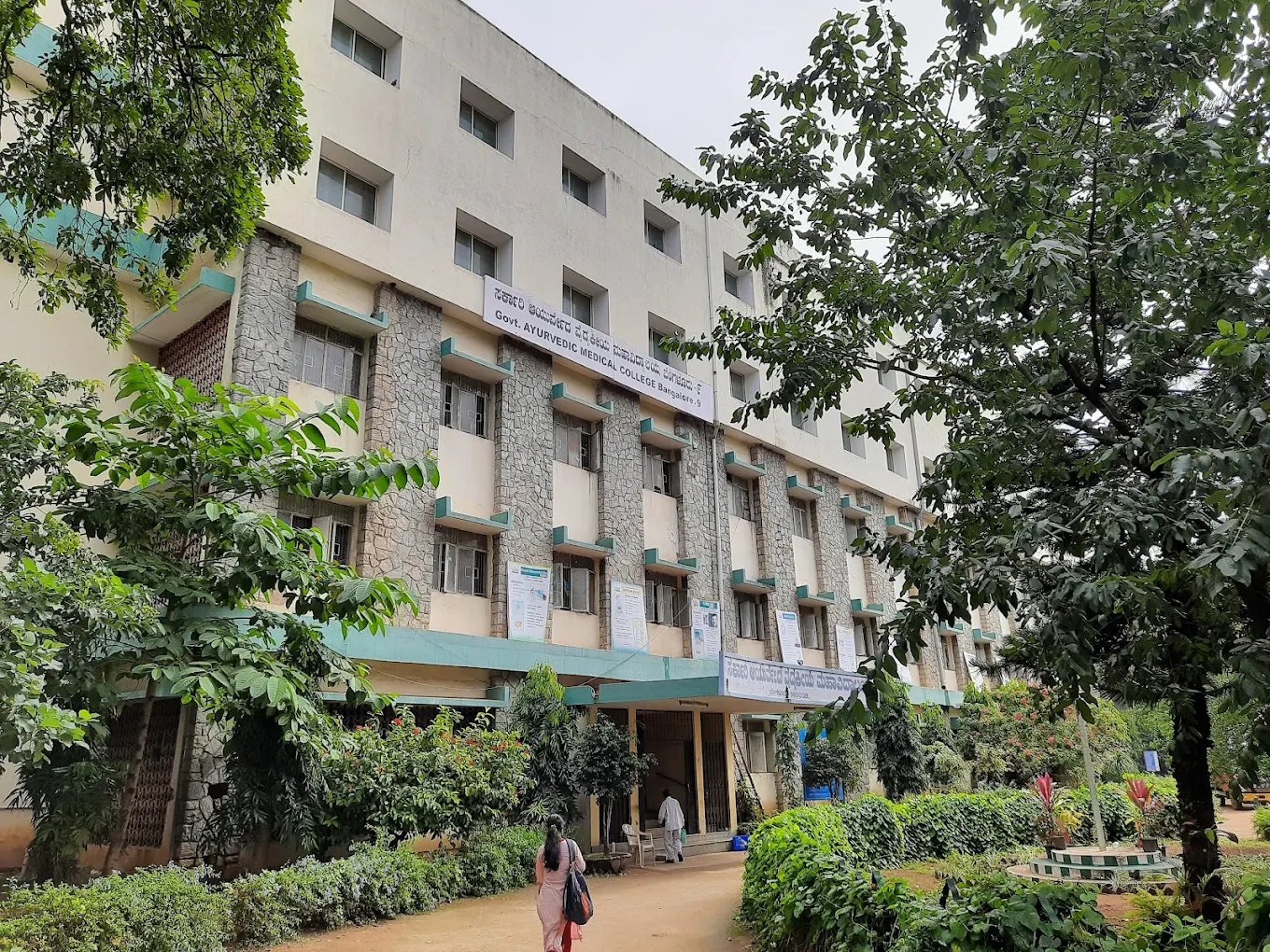
The oldest and most prestigious government Ayurveda college in Karnataka, affiliated to RGUHS. Located in Bangalore with access to the attached government Ayurveda hospital for clinical training. NEET cutoff for GM is the highest among Karnataka BAMS colleges. Annual fees under Rs 30,000. This is the gold standard for BAMS in Karnataka.
Government Ayurveda Medical College Mysore:
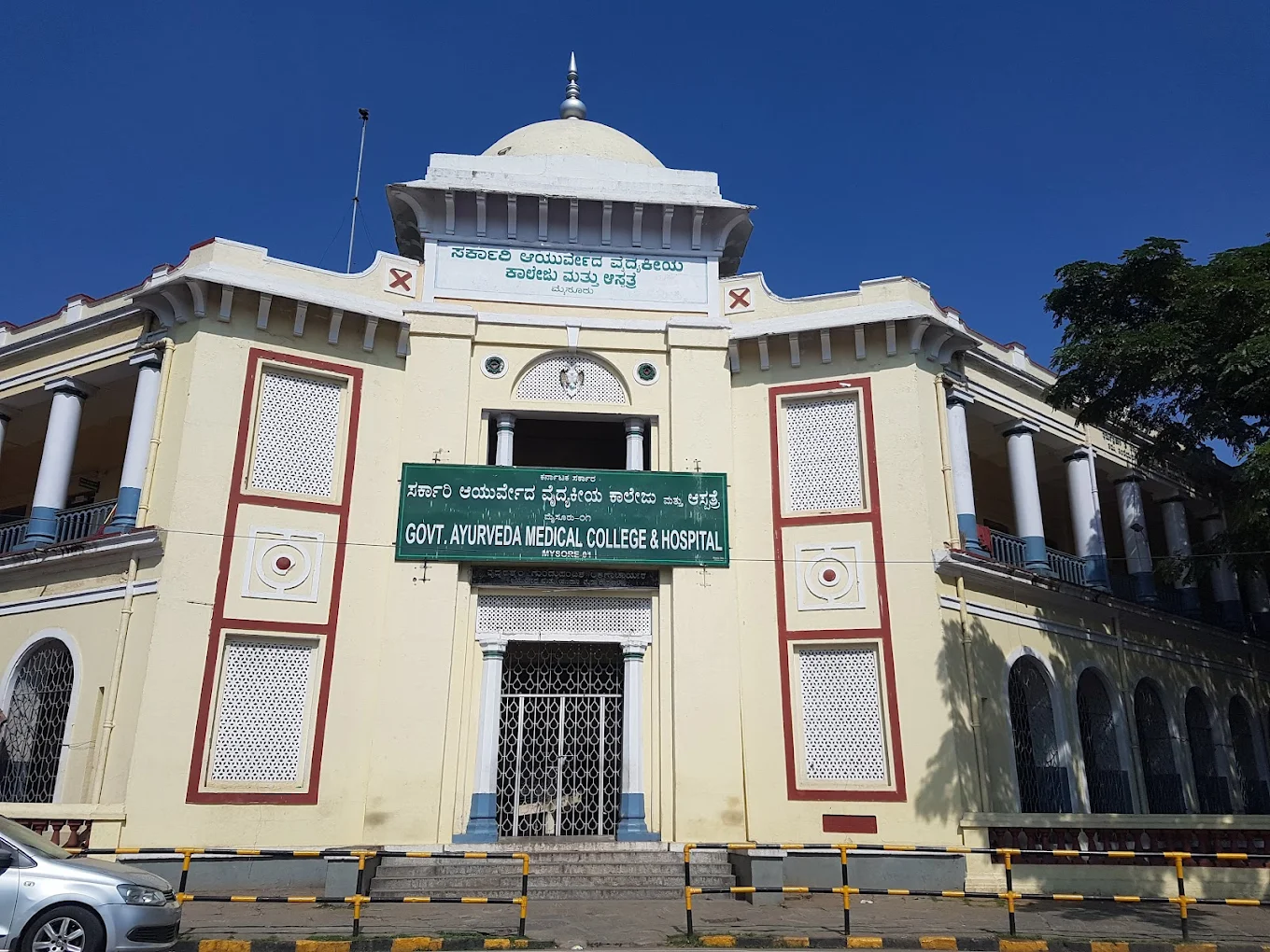
The second most prestigious government BAMS institution in the state. Located in the university city of Mysore with the attached government Ayurveda hospital providing excellent clinical exposure. Affordable fees and strong academic tradition.
Taranath Government Ayurveda Medical College Bellary:
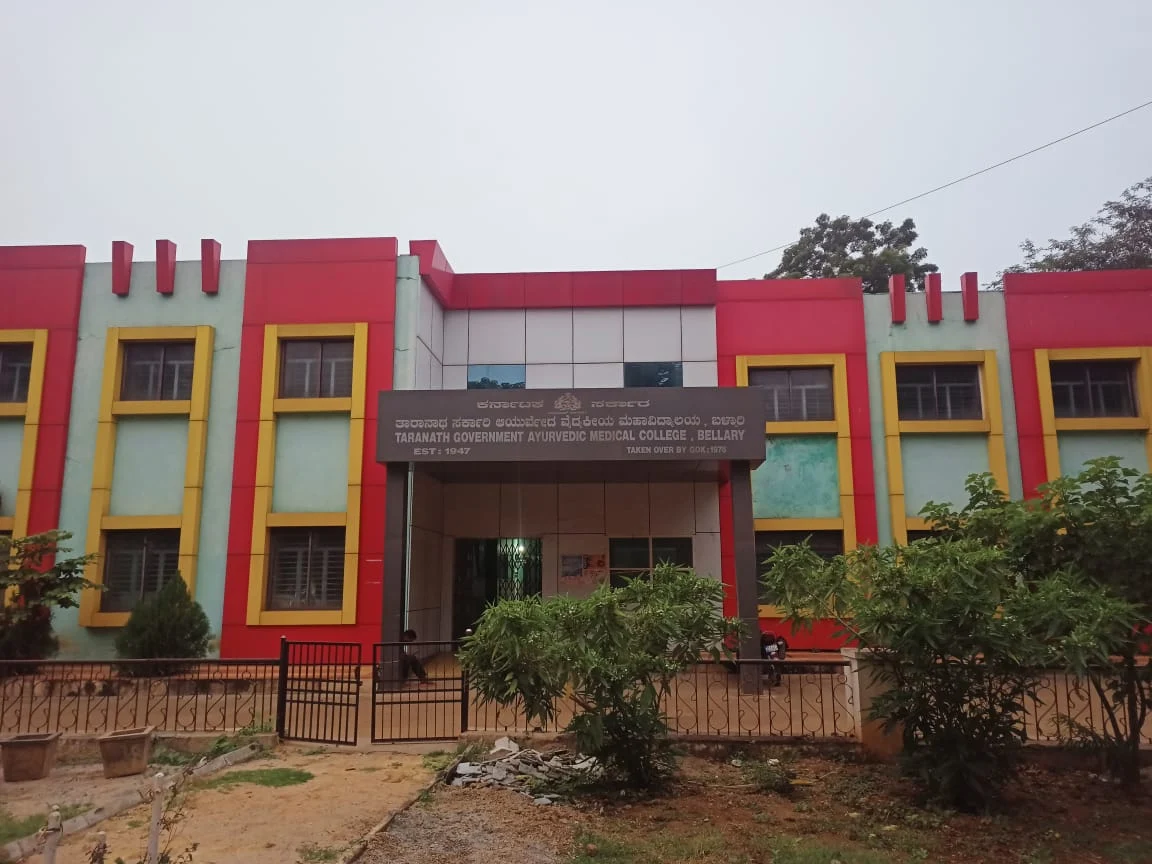
Serves the North Karnataka region with affordable BAMS education. Located in Bellary with clinical training facilities. Students from the Hyderabad-Karnataka region benefit from Article 371(J) reservation.
Top Private BAMS Colleges in Karnataka
SDM College of Ayurveda Hassan:
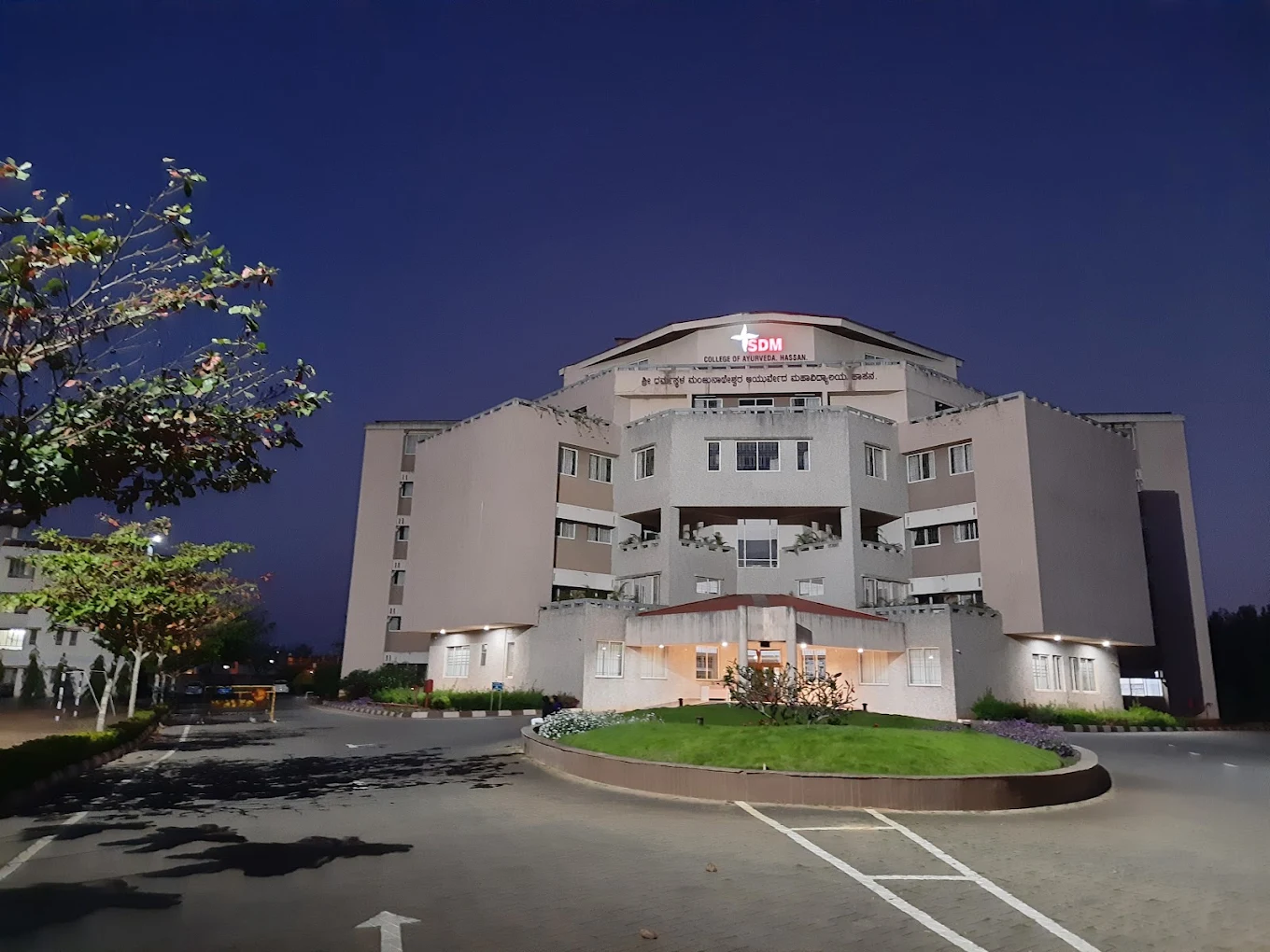
One of Karnataka's most respected private Ayurveda colleges under the Sri Dharmasthala Manjunatheshwara (SDM) trust. Known for excellent clinical training, well-equipped Panchakarma center, herbal garden, and research facilities. SDM Hassan graduates are highly regarded in the Ayurveda profession. Government quota fees approximately Rs 80,000-1,20,000 per year.
KLE Ayurveda College Belagavi: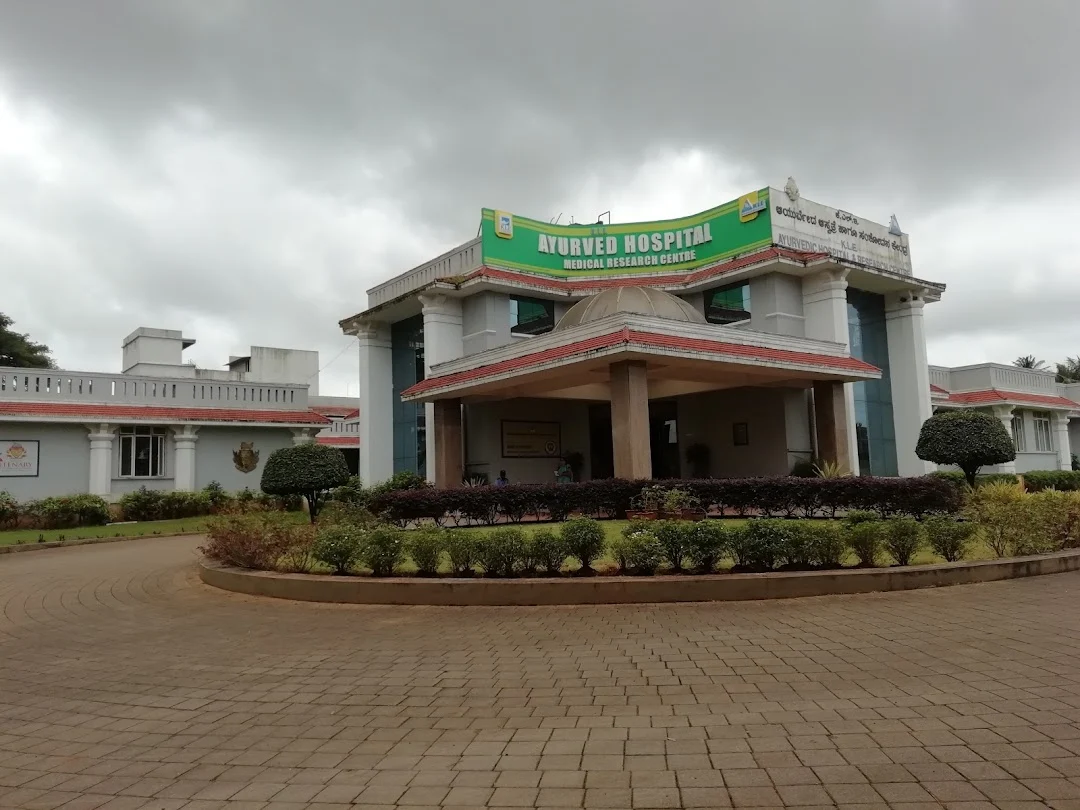
Part of the KLE trust that manages multiple medical and professional institutions in Belagavi. Benefits from KLE institutional infrastructure including hospital access and research facilities. Strong placement record in Karnataka and Maharashtra.
DGM Ayurvedic Medical College Gadag:
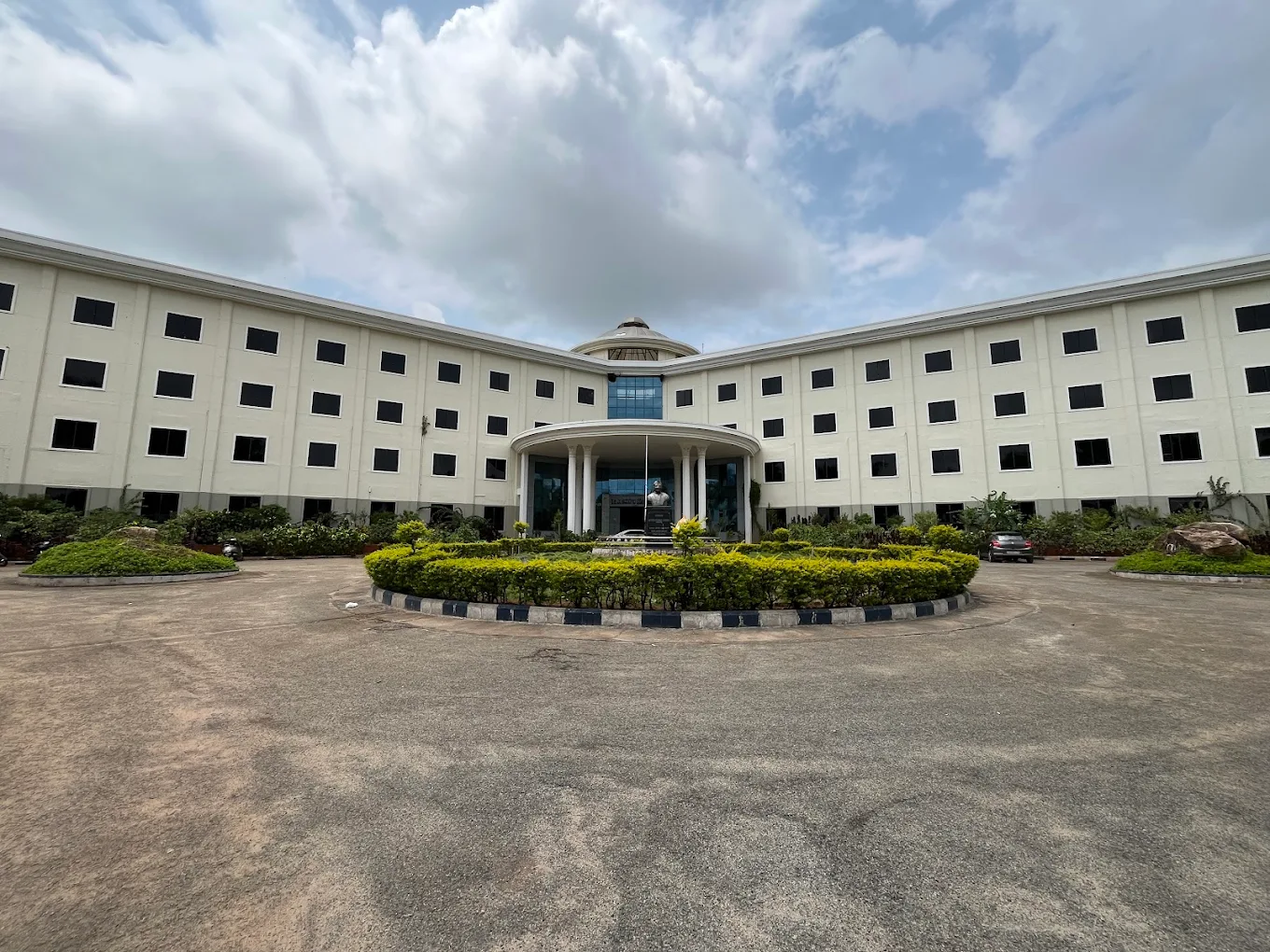
An established institution in North Karnataka with a long track record of producing BAMS graduates. Affordable fees and good clinical training facilities.
Alva Ayurveda Medical College Moodbidri:
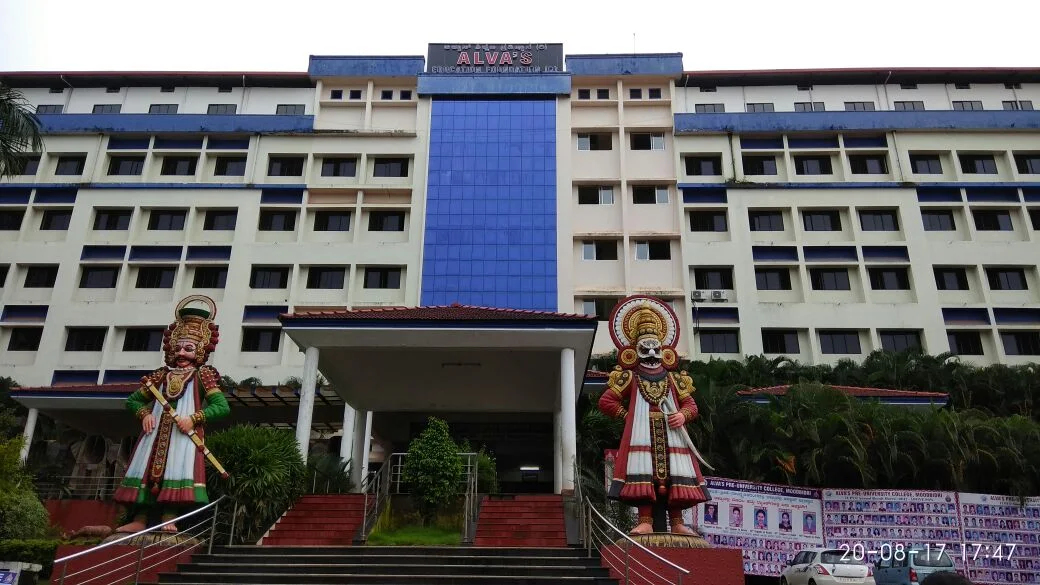
Part of the Alva Education Trust in Dakshina Kannada. Benefits from the Alva trust extensive infrastructure and the Moodbidri campus that also hosts Alva PU College and other institutions. The surrounding area rich in medicinal plants provides natural learning resources for Ayurveda students.
JSS Ayurveda Medical College Mysore:
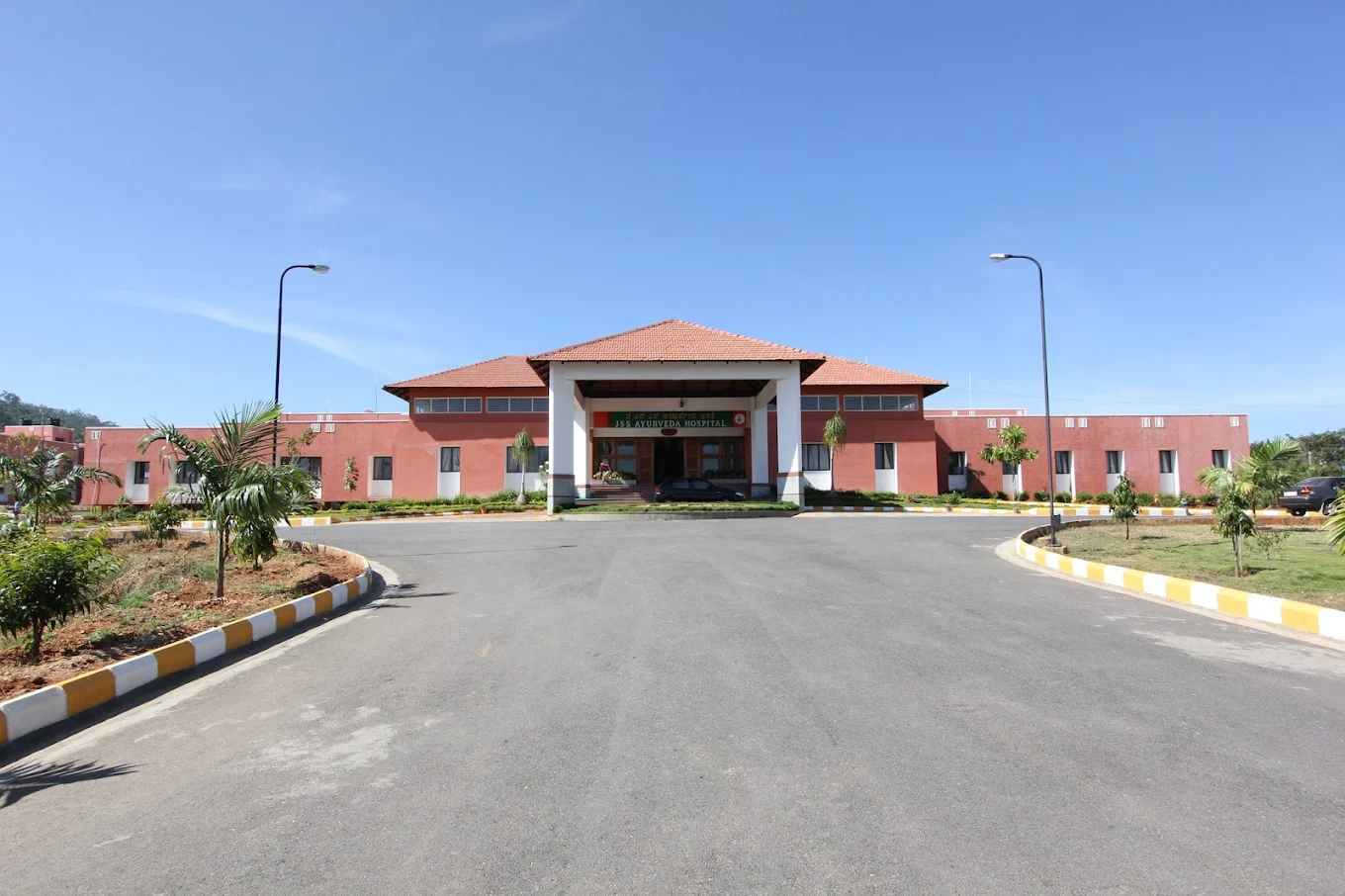
Part of the JSS Mahavidyapeetha trust headquartered in Mysore. Benefits from JSS trust university-level infrastructure, hospital access, and research facilities.
BAMS Colleges by Region
Bangalore region (5+ colleges): GAMC Bangalore (government), Sri Sri College of Ayurveda (Art of Living campus), and several private colleges. Best clinical exposure due to Bangalore large patient population.
Mysore-Hassan region (8+ colleges): Govt GAMC Mysore, SDM Hassan, JSS Mysore, and others. Strong Ayurveda tradition in this belt with access to Western Ghats medicinal plant resources.
Mangalore-DK region (6+ colleges): Alva Moodbidri, SDM Udupi, and others. Coastal Karnataka has a rich tradition of Ayurveda practice and abundant medicinal plants.
Belagavi-Hubli-Dharwad region (10+ colleges): KLE Belagavi, DGM Gadag, and several private colleges. Largest concentration of BAMS colleges in North Karnataka.
Other regions: Colleges spread across Davangere, Shimoga, Kalaburagi, and other districts ensure statewide access to BAMS education.
Fee Structure: Government vs Private BAMS 2027
Government BAMS colleges: Rs 15,000-30,000 per year. Total 4.5-year cost: Rs 70,000-1,50,000. The most affordable medical degree in Karnataka.
Private colleges government quota (KEA): Rs 50,000-1,50,000 per year. Total cost: Rs 2.5-7 lakh.
Private colleges management quota: Rs 2,00,000-6,00,000 per year. Total cost: Rs 10-30 lakh.
Compare these with MBBS management quota at Rs 50-80 lakh total. BAMS is 3-8 times cheaper than MBBS management quota while still qualifying you as a registered medical practitioner.
BAMS Admission Process in Karnataka
Step 1: Write NEET UG (conducted by NTA, usually in May). BAMS requires the same NEET exam as MBBS.
Step 2: Register for KEA AYUSH counselling at cetonline.karnataka.gov.in after NEET results. KEA conducts separate AYUSH counselling for BAMS, BHMS, BUMS, and BNYS admissions.
Step 3: Fill college and course preferences during KEA choice filling. Rank government colleges first, then private colleges under government quota.
Step 4: Attend document verification at the designated KEA center with original documents: NEET scorecard, PUC marks card, SSLC, caste certificate (if applicable), income certificate, and Aadhaar.
Step 5: Receive seat allotment and report to the allotted college within the specified deadline with all original documents and fee payment.
For management quota, contact the college directly after NEET results with your scorecard. Each college has its own management quota admission process.
Career After BAMS: What to Expect
Starting salary (employed): Rs 25,000-40,000 per month in private Ayurveda hospitals and wellness centers. Government AYUSH Medical Officer salary starts at Rs 40,000-55,000 per month.
Private practice: BAMS doctors running independent clinics in tier-2 and tier-3 Karnataka cities earn Rs 30,000-80,000 per month depending on location and reputation. Panchakarma specialists can earn significantly more.
After MD Ayurveda: Specialists earn Rs 60,000-1,50,000 per month in hospitals. Private practice earnings can exceed Rs 2 lakh per month for established practitioners.
Government jobs: AYUSH Medical Officer positions in Karnataka government hospitals and primary health centers. Regular state government recruitment through KPSC. Salary plus pension plus job security.
International opportunities: Ayurveda practitioners are in demand at wellness resorts in Kerala, Goa, Maldives, Sri Lanka, and European wellness centers. International positions can pay Rs 80,000-2,00,000 per month.
Official Sources: KEA - Karnataka Examinations Authority | SSP Karnataka - Scholarship Portal | UGC - University Grants Commission
Frequently Asked Questions
Can BAMS doctors prescribe allopathic medicines?
This is a legally complex area. Under current regulations, BAMS doctors can prescribe Ayurvedic medicines. Some states allow BAMS doctors to prescribe basic allopathic medicines after completing a bridge course. Karnataka policy should be verified with the AYUSH department. In practice, many BAMS doctors in rural areas provide primary healthcare including basic allopathic treatments.
Is BAMS worth it if I want to earn like an MBBS doctor?
BAMS with MD Ayurveda specialization can lead to earnings comparable to a general MBBS practitioner (without MD). An MBBS with MD/MS will always earn more than BAMS with MD Ayurveda. However, considering the massive fee difference (Rs 5 lakh vs Rs 50 lakh), the return on investment for BAMS is actually better for many families.
How many years does it take to become an Ayurvedic doctor?
BAMS takes 5.5 years (4.5 years academics + 1 year internship). After that, you are a registered Ayurvedic doctor who can practice independently. If you pursue MD Ayurveda, add 3 more years.
Can I switch to modern medicine after BAMS?
You cannot directly practice as an allopathic doctor with only a BAMS degree. However, some BAMS graduates pursue further studies in healthcare management, public health (MPH), or clinical research where their medical background is valued. Some pursue MBBS as a second degree, though this is rare and time-consuming.
Is NEET required for BAMS in Karnataka?
Yes. Since 2020, NEET is mandatory for all BAMS admissions in India including Karnataka. Both government quota and management quota seats require a valid NEET score.
Need help with admission?
CollegesInfo.org helps students secure admission to colleges they are eligible for under that college's actual published criteria. Chat with us on WhatsApp or explore admission assistance.
Recommended Reading
BAMS Colleges Karnataka - Government vs Private Comparison
| Type | Annual Fee | Total 4.5yr Cost | NEET Score Needed | Seats Available |
|---|---|---|---|---|
| Government BAMS Colleges | Rs. 15,000-30,000 | Rs. 70,000-1.5 lakh | 300-400 (GM) | ~500 state quota |
| Private BAMS (Govt Quota via KEA) | Rs. 50,000-1,50,000 | Rs. 2.5-7 lakh | 250-350 (GM) | ~3,000+ seats |
| Private BAMS (Management Quota) | Rs. 2,00,000-6,00,000 | Rs. 10-30 lakh | NEET qualifying only | ~2,000+ seats |
| Deemed University BAMS | Rs. 3,00,000-8,00,000 | Rs. 15-40 lakh | NEET qualifying only | Limited |
Related guides: Ayurveda Colleges Karnataka BAMS | NEET 400-500 Marks Colleges | Free NEET Predictor Tool