Last Updated: September 7, 2026
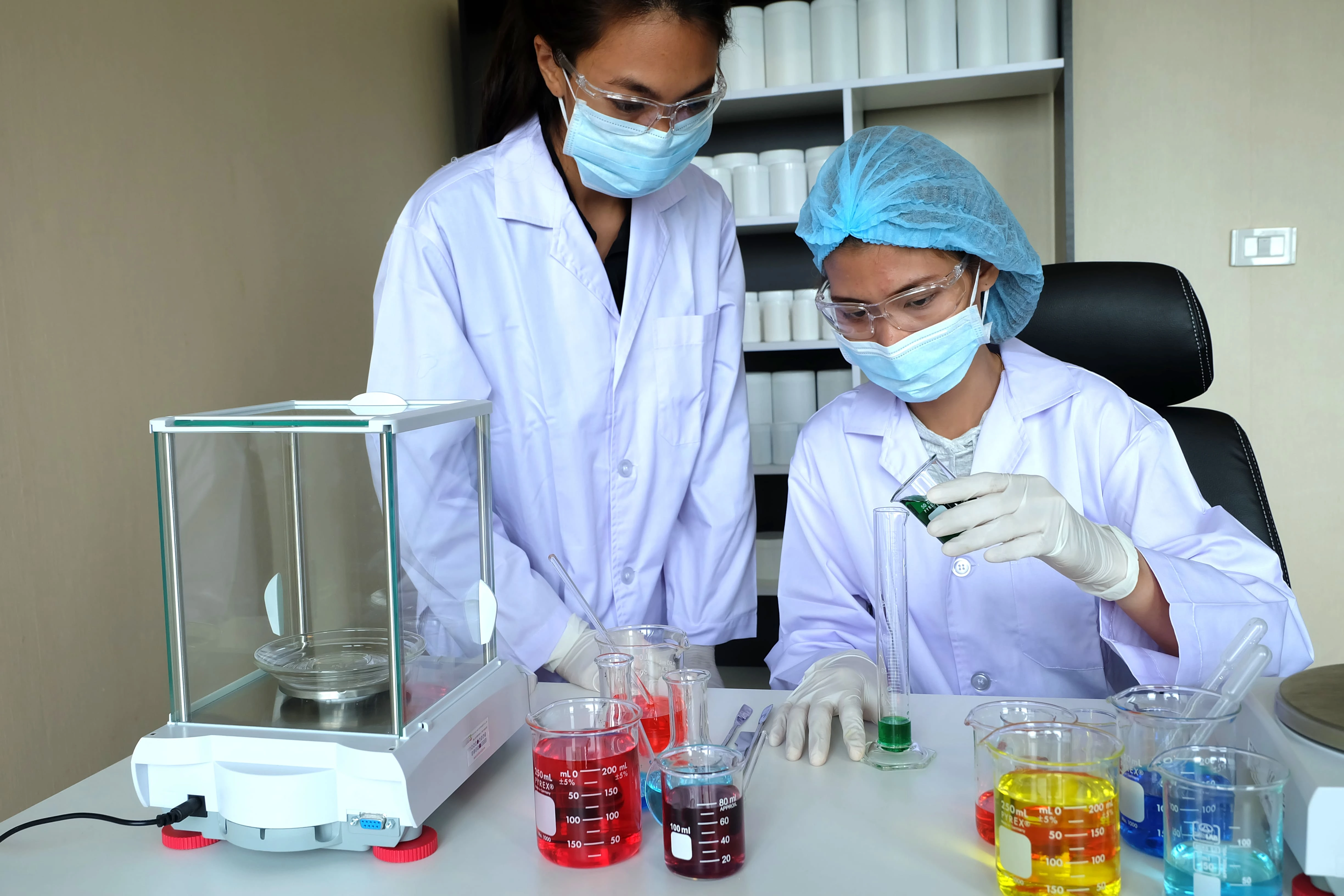
Karnataka has 226 paramedical colleges — 172 private and 15 government-run — all regulated by the Para Medical Board Karnataka (PMBK). If you've finished 12th with PCB and scored 50% or above, you're eligible to apply. Admission doesn't require NEET for most paramedical courses, which is the main reason students who narrowly miss MBBS cutoffs look at this stream seriously.
Paramedical Courses Available in Karnataka
Karnataka colleges offer paramedical programs at diploma, undergraduate, and postgraduate levels. Here's what the landscape looks like:
| Course | Duration | Avg Fees (Total) | Eligibility |
|---|---|---|---|
| B.Sc. Medical Laboratory Technology (MLT) | 3 years | Rs 1.5L - Rs 4L | 12th PCB, 50%+ |
| B.Sc. Radiography / Imaging Technology | 3 years | Rs 2L - Rs 5L | 12th PCB, 50%+ |
| B.Sc. Operation Theatre Technology (OTT) | 3 years | Rs 1.5L - Rs 4L | 12th PCB, 50%+ |
| B.Sc. Anaesthesia Technology | 3 years | Rs 2L - Rs 4.5L | 12th PCB, 50%+ |
| B.Sc. Cardiac Care Technology | 3 years | Rs 2L - Rs 5L | 12th PCB, 50%+ |
| Bachelor of Optometry (B.Optom) | 4 years | Rs 2.5L - Rs 6L | 12th PCB, 50%+ |
| Diploma in MLT / Radiography / OTT | 1-2 years | Rs 50K - Rs 1.5L | 10th / 12th pass |
| M.Sc. MLT / Medical Imaging Technology | 2 years | Rs 1L - Rs 3L | B.Sc. in relevant field |
MLT and Radiography are the most popular choices — hospital demand for lab technicians and imaging technicians has grown sharply since COVID-19. Optometry is less crowded and pays better at the senior level.
Top Paramedical Colleges in Karnataka
These are the colleges students most consistently shortlist, based on faculty quality, hospital attachment, and post-course employment rates:
| College | Location | Speciality | Affiliation |
|---|---|---|---|
| Manipal College of Allied Health Sciences | Manipal, Udupi | Full range of allied health programs | MAHE |
| St. John's Medical College | Bengaluru | Diploma paramedical programs | RGUHS |
| Kasturba Medical College (KMC) | Manipal / Mangaluru | B.Sc. Allied Health Sciences | MAHE |
| REVA University | Bengaluru | Allied health and paramedical diplomas | Autonomous |
| Yenepoya University | Mangaluru | MLT, OTT, Radiography | Deemed University |
| Sri Devaraj Urs Academy (SDUAHER) | Kolar | Government; B.Sc. paramedical programs | RGUHS |
| Kristu Jayanti College | Bengaluru | B.Sc. Allied Health Sciences | Autonomous |
| AVK Group of Institutions | Bengaluru | Diploma MLT, DMLT programs | PMBK |
| All India Institute of Speech and Hearing | Mysuru | Audiology and speech-language pathology | Govt. |
| JSS Medical College and Hospital | Mysuru | Paramedical and allied health diplomas | JSS University |
Manipal is the benchmark for paramedical education in Karnataka — its hospital network gives students practical exposure that's hard to match elsewhere. For government options, Sri Devaraj Urs in Kolar and VIMS Ballari offer solid programs at a fraction of private college fees.
How Admission Works — PMB Karnataka Process
- Check eligibility: 12th with PCB, minimum 50% aggregate. Some colleges accept 45% for SC/ST. Arts stream students can apply for select diploma courses.
- Application window: PMB Karnataka typically opens applications in June. Watch the official PMBK website for exact dates each year.
- No common entrance test: Most B.Sc. paramedical admissions are merit-based on 12th marks. NEET isn't required for the majority of courses.
- Merit list and counselling: PMB releases a combined merit list. Students attend counselling at the PMB office and get seats allocated based on rank, course preference, and availability.
- Direct college admissions: Private deemed universities like Manipal and Yenepoya run their own admission processes outside PMBK. Applications go directly to the institution.
Since NEET isn't mandatory, a student who scored 55-60% in 12th PCB has a realistic shot at a decent paramedical college. The bottleneck is seat availability at top colleges, not exam cutoffs.
Government vs Private Paramedical College Fees
| College Type | Annual Fee | Total Program Cost |
|---|---|---|
| Government (PMBK-affiliated) | Rs 5,000 - Rs 20,000 | Rs 15,000 - Rs 60,000 |
| Private (RGUHS-affiliated) | Rs 25,000 - Rs 80,000 | Rs 75,000 - Rs 2.5L |
| Private (Deemed - Manipal, Yenepoya) | Rs 60,000 - Rs 2L | Rs 2L - Rs 6L |
| Diploma programs (private) | Rs 15,000 - Rs 40,000 | Rs 15,000 - Rs 80,000 |
Private RGUHS-affiliated colleges hit a sweet spot — reasonable fees with recognized degrees. Deemed university programs at Manipal cost more but come with better hospital exposure and stronger brand recognition in the job market.
Career Scope and Salary After Paramedical Courses
| Specialization | Job Role | Starting Salary | Top Employers |
|---|---|---|---|
| MLT | Lab Technician, Microbiologist | Rs 2 - Rs 3 LPA | Manipal Hospitals, Narayana Health, diagnostic chains |
| Radiography / Imaging | X-Ray / MRI / CT Technologist | Rs 2.5 - Rs 4 LPA | Apollo, Columbia Asia, government hospitals |
| Operation Theatre Technology | OT Technician, Surgical Assistant | Rs 2 - Rs 3.5 LPA | Private multispecialty hospitals |
| Cardiac Care Technology | Cardiac Tech, Cath Lab Assistant | Rs 2.5 - Rs 4 LPA | Sri Jayadeva Institute, Narayana Health, Fortis |
| Optometry | Optometrist, Vision Therapist | Rs 2.5 - Rs 5 LPA | Eye hospitals, optical chains, private clinics |
Entry-level salaries average around Rs 2 LPA, but rise considerably with 3-5 years of experience — senior radiology and cardiac care technicians at private hospital chains earn Rs 6-8 LPA. Gulf countries heavily recruit Indian paramedical graduates, and Manipal and KMC alumni have particularly strong placement networks there.
Government Paramedical Colleges in Karnataka
- Sri Devaraj Urs Academy (SDUAHER), Kolar — established 1984; multiple B.Sc. and diploma paramedical programs under RGUHS
- Sri Jayadeva Institute of Cardiology, Bengaluru — specialist cardiac care; B.Sc. and diploma in cardiac technology
- Mysore Medical College, Mysuru — established 1924; paramedical diplomas alongside MBBS
- VIMS Ballari — government medical college with diploma paramedical programs
- BIMS Belagavi — paramedical programs alongside MBBS
- Kidwai Memorial Institute of Oncology, Bengaluru — oncology-focused B.Sc. and diploma programs
Frequently Asked Questions
Is NEET required for paramedical courses in Karnataka?
No, NEET isn't required for most paramedical courses in Karnataka. B.Sc. programs in MLT, Radiography, OTT, and similar disciplines admit students based on 12th marks through the PMB Karnataka merit list.
Which is the best paramedical college in Karnataka?
Manipal College of Allied Health Sciences is widely considered the top choice for infrastructure and hospital exposure. KMC Manipal and Yenepoya University Mangaluru are strong alternatives. Among government colleges, Sri Devaraj Urs Academy in Kolar and Sri Jayadeva Institute in Bengaluru stand out.
What is the PMB Karnataka admission process?
Applications open in June each year. PMB publishes a merit list based on 12th PCB marks. Shortlisted students attend counselling at the PMB office and get seats allocated by rank, course preference, and availability. Private deemed universities handle their admissions directly and don't go through PMBK counselling.
How much do paramedical graduates earn in Karnataka?
Entry-level salaries range from Rs 2-4 LPA depending on specialization. With 5+ years of experience at private hospital chains, Rs 6-9 LPA is achievable. Gulf placements through institutions like Manipal can pay significantly more.
Can arts stream students do paramedical courses in Karnataka?
Yes, but with restrictions. Arts stream students can apply for certain diploma-level courses — mainly health inspector diplomas and some administration programs. B.Sc. degree courses require 12th in Science with Physics, Chemistry, and Biology.
What is the difference between paramedical and allied health sciences?
They're largely the same field. Allied health sciences is the broader academic term used by universities like Manipal and Yenepoya, while paramedical is the term used by PMB Karnataka for regulation. Both cover the same courses — MLT, radiography, OTT, optometry, and related disciplines.
Official Sources: Information on this page is sourced from National Medical Commission (NMC) and Karnataka Examinations Authority (KEA), the primary regulatory bodies governing this subject in India.
Paramedical Colleges in Karnataka – Full Course List
| Programme | Duration | Seats | Regulator | Admission |
|---|---|---|---|---|
| BSc Medical Lab Technology (MLT) | 3 years | 20-40 | RGUHS / NMC | KCET / Direct |
| BSc Radiology and Imaging Technology | 3 years | 15-25 | RGUHS | KCET / Direct |
| BSc Operation Theatre Technology | 3 years | 15-20 | RGUHS | KCET / Direct |
| BSc Cardiac Care Technology | 3 years | 10-20 | RGUHS | KCET / Direct |
| BSc Respiratory Therapy | 3 years | 10-15 | RGUHS | KCET / Direct |
| BSc Optometry | 3 years | 15-20 | RGUHS | KCET / Direct |
| BSc Dialysis Technology | 3 years | 10-15 | RGUHS | KCET / Direct |
| BSc Physiotherapy (BPT) | 4.5 years | 40-60 | RGUHS / IAP | NEET / KCET |
Paramedical careers in Karnataka are growing rapidly – Bengaluru's corporate hospital expansion (Narayana Health, Manipal Hospitals, Apollo, Fortis, Aster) creates consistent demand for MLT, radiology, OT technology and cardiac care graduates. Starting salaries: Rs 18,000-30,000/month at private hospitals, Rs 25,000-45,000 at corporate chains. RGUHS affiliated paramedical colleges in Bengaluru include Vydehi, St Johns, Ramaiah and Kidwai. KCET paramedical counselling runs alongside medical counselling – register at kea.kar.nic.in after KCET results. For current fee structures and seat availability verify at rguhs.ac.in before admission.
Need help with admission?
CollegesInfo.org helps students secure admission to colleges they are eligible for under that college's actual published criteria. Chat with us on WhatsApp or explore admission assistance.