Last Updated: August 26, 2026
| Published: 19 May 2026 | Updated: 1 June 2026Russia is the oldest and most established MBBS abroad destination for Karnataka students. Over 50 NMC-approved government medical universities, total programme costs of ₹22–35 lakh for the full 6-year degree, and decades of Indian student presence make Russia the most familiar international MBBS option for Karnataka families. Every year, thousands of Karnataka students who've cleared NEET but couldn't secure government medical seats in Karnataka – or couldn't afford the ₹60 lakh to ₹1.2 crore private management quota fees – choose Russia as a practical, affordable alternative.
This guide covers everything Karnataka students need to know about MBBS in Russia: which universities are NMC-approved, what fees actually cost, how the admission process works, what the 6 years look like, how NExT preparation works on return, and honest guidance on who should and shouldn't choose Russia specifically.
Why Karnataka Students Choose Russia for MBBS
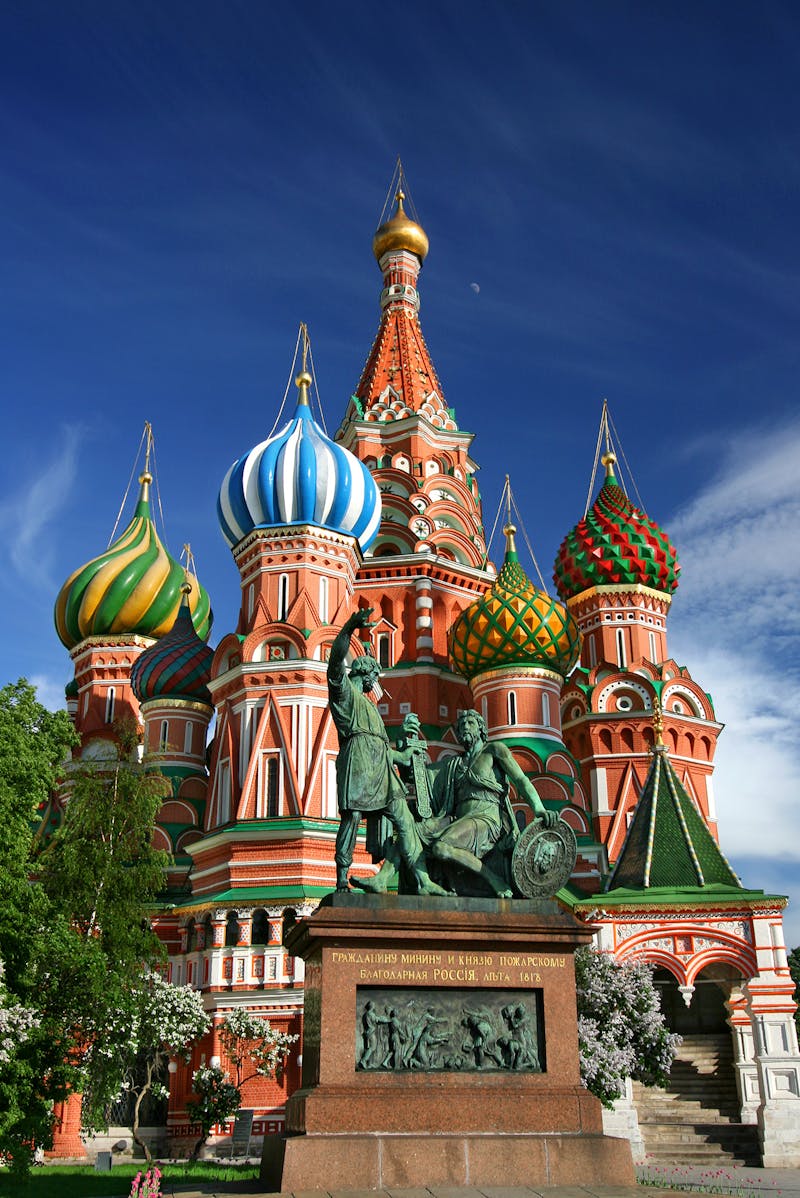
Russia's MBBS proposition for Karnataka students rests on a clear set of advantages:
- Cost: Total 6-year MBBS in Russia costs ₹22–35 lakh all-inclusive (tuition + hostel + food + living). Karnataka private MBBS management quota fees alone run ₹60 lakh to ₹1.2 crore. The cost difference – ₹40–90 lakh – is the primary driver for most Karnataka families choosing Russia.
- NMC approval: Russia has 50+ government medical universities listed on the NMC (National Medical Commission) approved list. More approved universities than any other single country for MBBS abroad.
- Established Indian student community: Russian universities have enrolled Indian medical students for 40+ years. Cities like Kazan, Kursk, and Moscow have large, organised Indian student communities with practical settlement support.
- No NEET cutoff for admission: Any NEET-qualified student can apply – there's no minimum NEET score for Russian university admission. You must have a valid NEET score, but the score doesn't determine admission tier as it does in India.
- WHO and WDOMS recognition: NMC-approved Russian universities are also listed in WHO's World Directory of Medical Schools (WDOMS) and FAIMER – international validation that matters for students considering options beyond India.
NMC-Approved Russian Universities – Top Choices for Karnataka Students
There are 50+ NMC-approved government medical universities in Russia. The following are consistently chosen by Karnataka students based on FMGE/NExT preparation culture, Indian student presence, and fee structure. Always verify current NMC approval at nmc.org.in before enrolling – the list is updated periodically.
| University | City | Annual Fee (approx) | FMGE Culture | Indian Community |
|---|---|---|---|---|
| Kazan State Medical University | Kazan | ₹4–5.5 lakh | Strong – known for NExT preparation | Large |
| Kursk State Medical University | Kursk | ₹4–5 lakh | Strong – one of highest Indian student pass rates | Very large |
| Perm State Medical University | Perm | ₹3.5–5 lakh | Good | Significant |
| First Moscow State Medical University (Sechenov) | Moscow | ₹6–8 lakh | Excellent – top-tier Russian medical school | Large |
| Pirogov Russian National Research Medical University (RNRMU) | Moscow | ₹5.5–7 lakh | Good | Large |
| Pavlov First Saint Petersburg State Medical University | St Petersburg | ₹5–7 lakh | Good | Moderate |
| Bashkir State Medical University | Ufa | ₹3–4 lakh | Moderate | Moderate |
| Altai State Medical University | Barnaul | ₹2.5–4 lakh | Moderate | Moderate |
| Novosibirsk State Medical University | Novosibirsk | ₹3.5–5 lakh | Good | Moderate |
| Mari State University (Medical Faculty) | Yoshkar-Ola | ₹2.5–3.5 lakh | Lower – budget option | Small |
Kazan and Kursk consistently appear in discussions about better NExT/FMGE outcomes among Karnataka alumni networks. Sechenov (Moscow) is the most prestigious Russian medical university but costs 50–80% more than regional options. For Karnataka families on a tight budget, Bashkir and Altai offer the lowest fees – but with less established NExT preparation culture. The fee saving of ₹1–1.5 lakh/year at a budget university versus a stronger university like Kazan or Kursk is approximately ₹6–9 lakh over 6 years. Given that NExT preparation coaching in India costs ₹1–3 lakh anyway, paying slightly more for a university with a stronger NExT culture often pays for itself.
Eligibility Requirements for Karnataka Students
| Requirement | Details |
|---|---|
| Educational qualification | 10+2 (Karnataka 2nd PUC, CBSE, or ICSE) with Physics, Chemistry, Biology as main subjects |
| Minimum marks | 50% aggregate in PCB (Physics, Chemistry, Biology) for General category; 45% for SC/ST/OBC per NMC guidelines |
| NEET | Mandatory. Valid NEET scorecard required. No minimum NEET score for Russian university admission – but NEET must be cleared. |
| Age | 17 years at time of admission |
| Passport | Valid Indian passport with minimum 18 months validity at time of application |
| Language | No Russian language requirement at admission stage. Russian language is taught from Year 1 onwards as part of the curriculum. |
MBBS Fees in Russia – Realistic Breakdown
Total cost of MBBS in Russia varies significantly by university and city. Most Karnataka families budget ₹3–6 lakh per year for tuition and ₹1.5–3 lakh per year for living expenses.
| Expense | Annual Cost (INR approx) | Notes |
|---|---|---|
| Tuition (mid-tier university) | ₹3.5–5 lakh | Top universities (Sechenov, Pirogov): ₹6–8 lakh |
| University hostel | ₹50,000–₹1 lakh | Mandatory for Year 1; optional thereafter. On-campus hostels safer and significantly cheaper than private accommodation. |
| Food | ₹1–1.8 lakh | University canteen + Indian grocery cooking. Vegetarian Karnataka students cook at home frequently. |
| Health insurance | ₹20,000–40,000 | Mandatory for visa. Typically university-facilitated. |
| Transport, personal, miscellaneous | ₹50,000–₹1 lakh | Russian public transport is well-developed and affordable. |
| Annual travel India–Russia (return) | ₹60,000–₹1.2 lakh | Most students return for 1–2 months during summer break. |
| Total annual (mid-tier uni) | ₹5.5–9 lakh | Year 1 slightly higher due to one-time setup costs |
| Total 6-year MBBS | ₹22–35 lakh | Sechenov/Moscow: ₹35–50 lakh; budget universities: ₹18–25 lakh |
Exchange rate note: Russian Ruble to INR conversion fluctuates. Geopolitical events since 2022 have made the Ruble volatile relative to the INR. Most universities invoice in USD or EUR for international students – budget in USD at current exchange rates and add a 10–15% buffer for currency fluctuation over 6 years. At $4,000/year tuition (~₹3.4 lakh at $1=₹85), a mid-tier university's 6-year tuition is approximately ₹20–24 lakh.
Admission Process – Step-by-Step for Karnataka Students
- Clear NEET (mandatory): Get your NEET scorecard. No minimum score for Russian admission – but NMC requires NEET qualification before you can register with them on return to India.
- Shortlist universities (October–January): Compare 3–5 NMC-approved universities by fees, NExT preparation culture, Indian student presence, and city. Verify each university's current NMC approval at nmc.org.in.
- Apply (January–March): Submit application to the university directly or through an authorised representative. Documents: 10th and 12th marksheets, NEET scorecard, passport copy, passport-size photographs, birth certificate.
- Receive Invitation Letter (March–April): The university issues an official Invitation Letter (also called Offer Letter) confirming your admission. This is required for the Russian student visa application.
- Apply for Russian student visa (June–August): Submit: Invitation Letter, passport, visa application form, medical certificate (including HIV test), photographs. Russian visa for Indian students: single-entry study visa valid for course duration. Apply at the Russian Embassy in New Delhi or Consulate General in Chennai (relevant for Karnataka students). Processing: 2–4 weeks standard.
- Pay first-year fees and hostel (before departure): Most universities require first-year tuition payment before arrival. Bank transfer to university's official account. Get the payment receipt.
- Travel and arrive (September–October): University representative typically meets students at the airport in major Russian university cities. Register at the university on arrival.
The 6-Year MBBS Programme in Russia
Russian MBBS is a 6-year programme. The structure differs from Indian MBBS in important ways Karnataka students should understand before choosing Russia:
| Year | Subjects | Language | Key Notes |
|---|---|---|---|
| Year 1 | Anatomy, Physiology, Biochemistry, Russian language (mandatory) | English + Russian (language class) | Hardest adjustment year – language, weather, and academic system simultaneously |
| Year 2 | Histology, Biochemistry, Normal Physiology, Russian language continues | English + Russian | Russian language exams must be cleared to progress |
| Year 3 | Pathophysiology, Microbiology, Pharmacology, Pathological Anatomy | Primarily English; Russian required for clinical labs | NMC-aligned subjects begin; FMGE/NExT syllabus alignment strengthens |
| Year 4 | Internal Medicine, Surgery, Obstetrics and Gynecology begin | Clinical instruction in Russian for patient interaction | Critical year for NExT preparation – start systematic exam prep here |
| Year 5 | Full clinical rotations – Medicine, Surgery, Pediatrics, OBGyn, Neurology | Russian-language patient care | Hospital rounds at affiliated teaching hospital. Clinical competence assessment. |
| Year 6 | Internship year – full rotation across all departments | Russian | Russian Medical Licensing Exam at some universities. Return preparation for NExT. |
The Russian language challenge deserves honest emphasis. By Year 4, Karnataka medical students are expected to take patient histories, communicate diagnoses, and participate in ward rounds in Russian. Students who invest seriously in Russian from Year 1 adapt well. Students who approach Russian minimally – treating it as a checkbox rather than a genuine clinical skill – struggle during clinical years. No amount of NExT preparation compensates for inadequate clinical exposure resulting from language barriers.
NExT Preparation – Coming Back to Practise in India

The National Exit Test (NExT) is the licensing examination Karnataka students returning from MBBS in Russia must clear to practise medicine in India. NExT replaces the earlier FMGE. The overall FMGE pass rate for Indian students returning from Russian universities was 29.54% in 2024 – meaning approximately 70% of first-attempt candidates failed.
Understanding why the pass rate is low is more useful than the number itself:
- Students who didn't prepare during their MBBS: A significant portion of FMGE failures are students who treated Russia as a degree collection exercise without systematic exam preparation during their 6 years. NExT is a thorough clinical knowledge test – it cannot be crammed in 3 months after returning.
- Language-mediated clinical gap: Students who didn't develop Russian language skills and therefore received inadequate clinical exposure during hospital rotations end up with theoretical knowledge but poor clinical reasoning – which is what NExT tests.
- Students who prepared seriously do better: Universities like Kazan State and Kursk State are specifically discussed in Karnataka alumni networks for higher pass rates among motivated students. Kazan and Kursk reportedly achieve 40–50% pass rates among their well-prepared students vs the national average of 29.54%.
NExT preparation strategy for Karnataka students in Russia:
- Start systematic NExT preparation from Year 4 alongside clinical rotations – not after returning to India
- Use Indian medical examination materials (DAMS, Marrow, Prepladder are commonly used platforms) throughout your Russian MBBS – these platforms are specifically aligned with NExT syllabus
- Budget ₹1–2 lakh for NExT coaching in India after returning – most students spend 6 months in focused coaching before sitting the exam
- Maintain strong clinical rotation attendance in Russia – the clinical reasoning NExT tests comes from genuine patient exposure, not study materials alone
Russian Visa and Student Life for Karnataka Students
Visa
Indian students receive a multi-year student visa for the duration of their MBBS programme. The visa requires annual registration (propiska) at the university. Missing the annual registration is a common administrative error that creates legal complications – your university's student affairs office manages this, but verify it's completed each year. Travel to India during summer break requires re-entry – confirm your visa allows re-entry (most study visas do) before booking return tickets each year.
Climate
Russian winters are harsh. Karnataka students from Bengaluru, Mysuru, and coastal districts face a significant climate adjustment. Key cities and their winter temperatures:
- Moscow: -5°C to -15°C (January average); extreme cold spells reach -25°C
- Kazan: -10°C to -18°C (January average)
- Kursk: -5°C to -12°C (January average) – milder than Moscow or Kazan
- St Petersburg: -5°C to -12°C; high humidity makes cold feel sharper
- Novosibirsk: -15°C to -20°C – among coldest major Russian cities
For Karnataka students sensitive to cold, Kursk and cities in European Russia (west of the Urals) are generally milder than Siberian or Ural cities. Budget ₹15,000–₹30,000 for proper winter clothing in Year 1.
Food
Russian cuisine is meat-heavy. Vegetarian Karnataka students – particularly those from Brahmin, Jain, or other vegetarian-practising families – need to prepare for a significant dietary adjustment. Most university cities with large Indian student populations now have Indian grocery stores. Students cook Indian food at home using Indian spices and lentils sourced from these stores. University canteens typically have some vegetarian options (salads, dairy items, bread), but Indian vegetarian diet requires home cooking. Budget ₹80,000–₹1.2 lakh annually for food if cooking at home regularly.
Karnataka vs Other States – Who Goes to Russia?
Karnataka sends a consistent and significant share of students to Russian medical universities – particularly students from Bengaluru, Mysuru, Dharwad, Belagavi, and Mangaluru districts. The Karnataka profile:
- Typically from middle-income families where ₹60 lakh+ management quota fees in Karnataka are not feasible
- NEET scores in the 200–500 range – not enough for government seats in Karnataka (closing at ranks 200–2,000 for General category) but sufficient for Russian university admission
- First-generation medical students are well-represented – Russia is often the first international exposure for both the student and their family
Karnataka's large Indian student communities in Russian medical universities provide practical support. Most students from Karnataka connect with seniors from their own state who can guide them through the initial settlement, Russian language learning, and NExT preparation approaches that worked for previous batches.
Education Loans for MBBS in Russia from Karnataka
At ₹22–35 lakh total, MBBS in Russia is among the more manageable study abroad loan amounts. Most Karnataka families can service this without collateral:
- SBI Global Ed-Vantage: Up to ₹7.5 lakh without collateral; up to ₹1.5 crore with collateral. Russia is covered under the scheme. Interest: 9.15%–11.15%. For a ₹25 lakh Russia MBBS loan at 10% over 10 years, EMI is approximately ₹33,000/month – payable after moratorium (course duration + 12 months).
- Bank of Baroda Baroda Scholar: Covers Russia. Competitive rates for amounts under ₹30 lakh.
- Karnataka Bank KBL Vidyanidhi: Up to ₹20 lakh. For MBBS in Russia where total loan requirement is ₹22–30 lakh, Karnataka Bank covers most or all of the requirement. KVTSDC-registered students may get preferential terms.
The complete education loan guide covers all lenders, Section 80E tax benefits, and collateral options in detail.
Russia vs Philippines for Karnataka MBBS Students
| Factor | Russia | Philippines |
|---|---|---|
| Total 6-year cost | ₹22–35 lakh | ₹28–45 lakh |
| Language of instruction | English + Russian (mandatory) | Fully English medium |
| Climate | Extreme cold winters | Tropical – familiar for Karnataka students |
| NExT/FMGE preparation alignment | Requires extra effort to align with Indian syllabus | US-curriculum closer to NExT structure |
| Indian student community | Very large – decades established | Growing – newer but significant |
| Food for vegetarians | Challenging – requires home cooking | More rice-based; easier for Karnataka students |
| University quality range | Wide – top to mediocre | Narrower – most are decent quality |
| Geopolitical stability | Ongoing Russia-Ukraine conflict – relevant for some families | Stable |
Russia remains the more established option with more NMC-approved choices. The Philippines has advantages in language accessibility, climate, and curriculum alignment with NExT. The detailed Philippines guide is at MBBS in Philippines for Karnataka students. The full MBBS abroad comparison covering all countries is in the MBBS abroad guide.
Who Should NOT Choose Russia for MBBS
- Students with strong NEET scores who qualify for Indian government MBBS seats: A government MBBS seat in Karnataka at BMCRI, Mysore Medical College, or other government colleges is categorically better than MBBS in Russia – better clinical infrastructure, familiarity with Indian patient populations, and easier NExT alignment. Check Karnataka MBBS admissions first.
- Students who won't invest in Russian language: Russia's clinical years require Russian language competence. Students who approach Russian language as an obstacle rather than a necessary skill will have poor clinical exposure, which directly harms NExT performance and clinical competence as a doctor.
- Students seeking to practise outside India long-term: Russian MBBS is designed for students returning to India to practise. For students targeting UK (GMC), USA (USMLE), or Canada (MCCQE) practice, the Philippines has better curriculum alignment with those licensing exams.
- Students applying through agents promising guaranteed NMC approval: Never enrol in any Russian university based solely on an agent's approval claim. Verify at nmc.org.in. If the university isn't on the current NMC list, don't enrol.
Frequently Asked Questions
Is NEET compulsory for MBBS in Russia for Karnataka students?
Yes, absolutely. NMC mandates NEET qualification for all Indian students pursuing MBBS at foreign universities, including Russia. There's no minimum NEET score required for Russian university admission, but you must have a valid NEET scorecard to qualify for NMC registration on return to India. Without NMC registration, you cannot appear for NExT or practise medicine in India.
What is the total cost of MBBS in Russia from Karnataka?
Total cost including tuition, hostel, food, living, annual travel, and health insurance over the full 6-year programme ranges from ₹22–35 lakh for mid-tier universities to ₹35–50 lakh for top-tier Moscow universities (Sechenov, Pirogov). This compares to ₹60 lakh to ₹1.2 crore for Karnataka private MBBS management quota fees alone. The financial case for Russia is compelling – the clinical exposure and NExT pass rate questions require careful university selection.
Which is the best university for MBBS in Russia for Karnataka students?
Kazan State Medical University, Kursk State Medical University, and Perm State Medical University are consistently cited by Karnataka alumni networks for better NExT/FMGE outcomes and established Indian student communities. Sechenov (Moscow) is the most prestigious but costs significantly more. For budget-conscious families, Bashkir State Medical University offers lower fees with acceptable quality. Verify current NMC approval for any university before enrolling at nmc.org.in.
How is the FMGE pass rate for Russia?
The overall FMGE pass rate for Indian students from Russian universities was 29.54% in 2024 data. This is a national average across all Russian universities and all levels of student preparation. Universities with strong NExT preparation culture and well-prepared students reportedly achieve 40–50% pass rates. Students who prepare systematically from Year 4 using Indian medical exam platforms (Marrow, Prepladder, DAMS) alongside their Russian MBBS curriculum have substantially higher individual pass rates than the national average.
Is it safe for Karnataka students in Russia currently (2026)?
The ongoing Russia-Ukraine conflict has been a concern for families since 2022. Indian students at universities in central and western Russia (Moscow, Kazan, Kursk, St Petersburg) are geographically distant from the conflict zone. The Indian government has not issued a general advisory against study in Russia. University cities like Kazan, Ufa, and Perm have not been affected by the conflict. Families should make this decision with current information from the Ministry of External Affairs India's travel advisory, which is updated regularly.
Karnataka Government Support for MBBS in Russia
Karnataka students planning MBBS in Russia can access state government support through the KVTSDC (Karnataka Vocational Training and Skill Development Corporation) study abroad scheme. The scheme covers professional programmes including MBBS abroad, not just postgraduate degrees. Key benefits:
- No-cost counselling: KVTSDC provides guidance at no charge on NMC-approved universities, fee structures, and admission timelines without the commission-driven bias of private agents
- Karnataka Bank loan facilitation: KVTSDC-registered students get access to Karnataka Bank's KBL Vidyanidhi loan scheme with government-negotiated terms. For MBBS in Russia where total loan requirements are ₹22–30 lakh, Karnataka Bank's ₹20 lakh ceiling covers most of the requirement
- Post-departure welfare: KVTSDC maintains welfare contacts for students abroad – particularly valuable for families concerned about a first-time student in Russia
- Direct university access: The scheme's partner network includes Russian medical universities – bypassing commission-earning agents
Register at studyabroad.ksdckarnataka.com before engaging any private consultant. The full scheme details are in the Karnataka government study abroad guide.
Application Checklist for Karnataka Students – Russia MBBS 2026-27
The September 2026 intake is the primary Russia MBBS intake. Use this checklist to track your readiness:
- ☐ NEET score obtained (any score qualifies – NMC requires valid NEET, not a cutoff)
- ☐ 10th and 12th marksheets ready (original + attested copies)
- ☐ PCB aggregate confirmed at 50%+ in 12th (45% for SC/ST/OBC per NMC)
- ☐ Passport valid with 18+ months remaining (renew if needed – takes 2–4 weeks)
- ☐ University shortlisted and NMC approval verified at nmc.org.in
- ☐ University application submitted (January–March deadline for September intake)
- ☐ Invitation Letter received from university (March–April)
- ☐ Education loan applied for and sanction letter received
- ☐ Medical certificate obtained (required for Russia visa – includes HIV test)
- ☐ Russia student visa applied at Russian Embassy Delhi / Consulate Chennai
- ☐ First-year fees paid to university via bank transfer
- ☐ Travel insurance arranged covering Russia for full academic year
- ☐ Winter clothing budgeted (₹15,000–30,000 for Year 1 wardrobe)
- ☐ KVTSDC registration completed for post-departure welfare support