Last Updated: August 26, 2026
| Published: 20 May 2026 | Updated: 2 June 2026Australia's international student policy went through a dramatic six-month cycle in the first half of 2026 that every Karnataka applicant must understand before applying. On 8 January 2026, India was reclassified to Evidence Level 3 (EL3) – the highest-scrutiny tier. In February 2026, 40% of Indian applications were rejected, the worst rate in 21 years. Then in April 2026, Australia moved India back to Evidence Level 2 (EL2), easing documentation requirements and expected to improve approval rates in the second half of 2026. The student visa fee remains AUD 2,000 (₹1.34 lakh) – the most expensive of any major study destination. The Temporary Graduate visa fee doubled to AUD 4,600 (₹3.08 lakh) from March 2026 and has not changed since.
For Karnataka students applying from June 2026 onwards: you are applying at EL2, not EL3. This means lower documentation burden than January–March 2026 applicants faced. However, the permanently doubled Temporary Graduate visa fee, the AUD 2,000 student visa fee, and Australia's high overall living costs mean the total financial commitment remains the highest among comparable study destinations.
What Evidence Level 3 Actually Means for Karnataka Students

EL3 is a documentation classification, not a visa refusal policy. Being at Level 3 means Karnataka students applying for an Australian student visa (Subclass 500) must provide stronger upfront evidence across three areas:
- Financial capacity: Bank statements, education loan letters, or scholarship evidence showing funds sufficient to cover AUD 29,710 in annual living costs plus full first-year tuition fees plus return travel. Documents must be recent (within 3 months of lodgement) and from a recognised Indian bank. At current exchange rates, AUD 29,710 is approximately ₹19.4 lakh – just for living costs, before tuition.
- English proficiency: IELTS minimum 6.0 overall (from 23 March 2024). TOEFL, PTE Academic, or Cambridge English are accepted alternatives at most institutions.
- Genuine Student (GS) statement: The old Genuine Temporary Entrant (GTE) test was replaced in 2026 by the Genuine Student (GS) requirement. Your GS statement must clearly explain why you're choosing Australia and this specific course, how it fits your career goals, and why studying in Australia makes sense for your professional plans. Generic statements are rejected. Specific, credible, personalised statements are approved.
A well-prepared application with complete evidence has the same approval probability as any applicant who genuinely meets the criteria. The 40% rejection rate in February 2026 reflects primarily incomplete documentation and weak GS statements – not a blanket policy against Indian students.
Key Policy Changes in 2026 – Summary
| Change | Effective Date | Impact on Karnataka Students |
|---|---|---|
| India EL2 → EL3 → EL2 (reverted) | Jan 8 → April 2026 | EL3 Jan–Apr 2026 (40% rejection). Reverted to EL2 April 2026. |
| Ministerial Direction 115 (priority processing) | 14 November 2025 | PhD/research students processed first; UG and VET lower priority |
| Student visa fee: AUD 1,600 → AUD 2,000 | 1 July 2025 | ₹1.3 lakh non-refundable fee – pay again on rejection |
| Temporary Graduate visa fee: AUD 2,060 → AUD 4,600 | 1 March 2026 | Post-study work visa now costs ₹3 lakh |
| GTE replaced by Genuine Student (GS) requirement | 2026 | More rigorous assessment of study intent |
| Living cost requirement increased to AUD 29,710/year | 2026 | Higher financial proof threshold |
Top Australian Universities for Karnataka Students
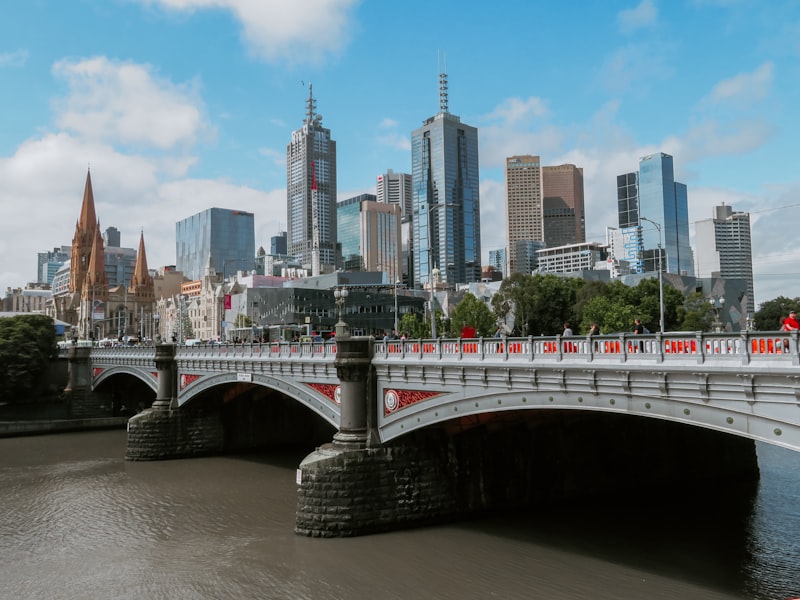
Australia's Group of Eight (Go8) universities are globally ranked research institutions. For Karnataka students, these are the primary targets for postgraduate programmes:
| University | Location | Strong Programmes | QS Rank (2026) |
|---|---|---|---|
| University of Melbourne | Melbourne, VIC | Engineering, Business, Medicine, Law | Top 15 globally |
| Australian National University (ANU) | Canberra, ACT | Research, Policy, Sciences, Arts | Top 30 globally |
| University of Sydney | Sydney, NSW | Business, Law, Engineering, Medicine | Top 20 globally |
| UNSW Sydney | Sydney, NSW | Engineering, Business, Law, Science | Top 30 globally |
| University of Queensland (UQ) | Brisbane, QLD | Engineering, Agriculture, Medicine, Business | Top 50 globally |
| Monash University | Melbourne, VIC | Engineering, Pharmacy, Business, Education | Top 60 globally |
| University of Adelaide | Adelaide, SA | Engineering, Medicine, Agriculture | Top 100 globally |
For Karnataka nursing students specifically: several Australian universities and TAFE institutions offer postgraduate bridging programmes that lead directly to AHPRA (Australian Health Practitioner Regulation Agency) registration. Australia has active nursing shortages and is one of the clearest study-to-employment pathways for BSc Nursing graduates from Karnataka.
Which Streams Make Sense in Australia for Karnataka Students
Nursing and Healthcare
Australia is one of the best study abroad destinations for Karnataka nursing graduates. Acute nursing shortages exist nationwide – the government actively recruits internationally trained nurses. A postgraduate nursing qualification from an AHPRA-recognised Australian institution, combined with the Temporary Graduate visa's work rights, creates a direct employment pathway. Karnataka students who've completed BSc Nursing through Karnataka nursing admissions can pursue Masters-level bridging programmes in Australia that lead to AHPRA registration within 1–2 years.
Engineering and IT
Group of Eight universities offer strong MS/MEng programmes in CS, Data Science, Electrical, Civil, and Mechanical Engineering. For Karnataka BTech graduates comparing Australia vs Germany, the key difference is language (English vs German) and cost (Australia significantly more expensive than Germany). Australia's research universities are globally ranked and the post-study work visa gives 2–4 years of employment rights – but at AUD 2,000 visa fee plus doubled graduate visa costs, the total investment is substantially higher than Germany.
MBA and Business
University of Melbourne, UNSW, Macquarie, and Queensland Business School offer well-regarded MBA programmes. 1-year intensive MBA options are available at several Australian universities – shorter than the standard 2-year US format and faster to employment. For Karnataka engineering graduates targeting management careers with an international credential, Australia's MBA programmes are competitive with UK options on timeline and cost.
Pharmacy
Australia has AHPRA registration for pharmacists – a BPharm from Karnataka qualifies you for AHPRA registration after clearing the pharmacy intern examination. Several Australian universities offer bridging programmes specifically for internationally trained pharmacists. This makes Australia a strong option for Karnataka pharmacy graduates from RGUHS-affiliated colleges who want to work internationally. Note the distinction: RGUHS-affiliated BPharm gives you pharmacist exam eligibility in Karnataka; a deemed university BPharm does not – this is covered in the pharmacy admissions guide.
Realistic Cost Breakdown for Australia

| Expense | Annual Cost (INR approx) | Notes |
|---|---|---|
| Postgraduate tuition (avg Go8) | ₹22–35 lakh | Engineering/IT at mid-tier: ₹18–25 lakh |
| Accommodation | ₹8–14 lakh | Sydney/Melbourne most expensive; Adelaide/Brisbane cheaper |
| Food | ₹3–5 lakh | Cooking at home vs eating out |
| OSHC (health cover) | ₹60,000–₹90,000 | Overseas Student Health Cover – mandatory for visa |
| Transport, personal | ₹2–4 lakh | Australian cities are car-dependent |
| Student visa fee (one-time) | ₹1.3 lakh | AUD 2,000 – non-refundable |
| Total annual (2-yr PG) | ₹36–59 lakh | Lower in Adelaide/Canberra; higher in Sydney/Melbourne |
| Total 2-year PG | ₹72 lakh–₹1.2 crore | Plus AUD 4,600 (₹3L) Temp Graduate visa after graduation |
Part-time work during studies: 48 hours per fortnight (roughly 24 hours/week) during the semester, unlimited during breaks. Australia's minimum wage of AUD 24.10/hour (current 2026 rate) is the highest among major study destinations – part-time work meaningfully offsets living expenses for students who work consistently.
Post-Study Work: Temporary Graduate Visa (Subclass 485)
The Temporary Graduate (subclass 485) visa gives Australian graduates post-study work rights. Duration depends on your qualification and study location:
- Graduate stream (Bachelor's, Master's, Doctoral): 2–4 years depending on qualification level and whether you studied in a regional area
- Regional study bonus: Studying at a regional campus adds 2 extra years to post-study work rights – students at University of Adelaide (Adelaide), UQ (Brisbane), or University of Newcastle get more post-study time than those at Sydney or Melbourne
- Cost from March 2026: AUD 4,600 (₹3 lakh) – doubled from previous rate
The 485 visa gives open work rights – you can work for any employer in any field. Unlike H-1B (USA), there's no lottery and no employer sponsorship needed at this stage. With 2–4 years of Australian work experience, you build points for General Skilled Migration (skilled PR visa).
PR Pathway from Australia

Australia's General Skilled Migration (GSM) system awards points for age, English, qualifications, work experience, and state nomination. For Karnataka engineering, nursing, and IT graduates with Australian degrees and 2+ years of Australian work experience:
- General Skilled Migration (Subclass 189 or 190) via SkillSelect
- State/Territory Nomination adds 5 extra points and speeds up invitations
- Total timeline from starting study to PR: typically 5–7 years
- Healthcare workers (nurses, pharmacists) have dedicated occupation lists with faster pathways
Australia's PR pathway is less linear than Canada's Express Entry but works well for healthcare and STEM occupations. It's slower than Germany's Blue Card route but faster than USA's Green Card.
How to Strengthen Your Australia Visa Application in 2026
Given the EL3 reclassification and 40% rejection rate in February 2026, documentation quality is critical:
- Financial proof: Show AUD 29,710 minimum living costs + full first-year tuition. Bank statements from the last 3 months from a nationalised or scheduled Indian bank. If using an education loan, provide the full sanction letter with amount and bank seal.
- Genuine Student statement: Write a specific, personalised GS statement. Explain your academic background, why this specific course at this specific university, and how it connects to your career in Australia or on return. Vague or copied statements are the most common rejection reason.
- IELTS score: Minimum 6.0 overall; most Go8 universities require 6.5–7.0. Take the exam and have scores ready before applying.
- Choose recognised institutions: Ministerial Direction 115 gives priority processing to students at universities with strong track records. Go8 universities and large public universities process faster than private colleges and VET providers.
- Regional consideration: Studying at a regional campus (Adelaide, Brisbane, Canberra, Newcastle) gives 2 extra years of post-study work rights and typically lower living costs.
Australia vs Other Destinations for Karnataka Students
| Factor | Australia | Germany | Canada | UK |
|---|---|---|---|---|
| Total 2-yr PG cost | ₹72L–₹1.2 crore | ₹9–14 lakh | ₹42–1.08 crore | ₹35–50 lakh (1 yr) |
| Visa difficulty 2026 | High (EL3, 40% rejection) | Low-moderate | Moderate (PG) | Moderate |
| Post-study work | 2–4 years (485 visa) | 18-month job-seeker | 3-year PGWP | 2-year graduate |
| English medium | Yes | PG yes, UG mostly German | Yes | Yes |
| Nursing pathway | Excellent (AHPRA) | Limited | Good (NNAS) | Excellent (NMC) |
| PR timeline | 5–7 years | 3–4 years | 4–6 years | 5+ years |
For Karnataka students comparing all options, the full study abroad guide covers each country in detail. Germany remains the most cost-effective for engineering. Canada is clearest for PR via Express Entry. Australia makes the strongest case for nursing and healthcare streams, despite the higher cost and current visa difficulty.
Education Loans for Australia

At ₹72 lakh to ₹1.2 crore for a 2-year PG programme, Australia typically requires the largest education loans among study abroad destinations. Options for Karnataka students:
- SBI Global Ed-Vantage: Up to ₹1.5 crore for Australia. Interest from 9.15%–11.15%. Collateral required above ₹7.5 lakh.
- HDFC Credila: Up to ₹1 crore+ with collateral. Flexible repayment specifically designed for international education.
- Axis Bank: Up to ₹75 lakh for Australia. Competitive rates for Go8 university admits.
The debt burden for Australia is the highest among comparable destinations. Model your loan repayment against expected Australian graduate salaries (AUD 60,000–85,000/year for engineering and IT roles) versus Indian salaries for the same roles. The return on investment is real but takes longer to recover than Germany or even Canada for most engineering streams.
Frequently Asked Questions
What is Evidence Level 3 for Indian students in Australia?
Evidence Level 3 (EL3) is Australia's highest-scrutiny visa documentation tier. India was reclassified from EL2 to EL3 on 8 January 2026. It means Karnataka students applying for the Subclass 500 student visa must provide stronger financial proof (AUD 29,710 minimum living costs plus full tuition), documented English proficiency, and a specific Genuine Student (GS) statement. It doesn't mean visa refusal – it means thorough documentation is required. Well-prepared applications from EL3 countries have normal approval rates.
How much does the Australian student visa cost for Indian students in 2026?
The Subclass 500 student visa fee rose to AUD 2,000 (approximately ₹1.3 lakh) from July 1, 2025. This is non-refundable – if your application is rejected, you pay again on reapplication. The post-study Temporary Graduate visa (Subclass 485) fee doubled to AUD 4,600 (₹3 lakh) from March 2026. Combined, the visa costs alone for a Karnataka student studying and then working in Australia total approximately ₹4.3 lakh – more than the total visa costs for Germany, Canada, and UK combined.
How long can I work in Australia after completing my degree?
The Temporary Graduate visa (Subclass 485) gives 2–4 years of open work rights depending on your qualification. Studying at a regional campus adds 2 extra years. For a 2-year Master's at a regional Go8 campus like Adelaide or Brisbane, you can get 4 years of post-study work rights. This is open-work – any employer, any field, no sponsorship needed at this stage.
Is Australia good for Karnataka nursing graduates?
Yes – Australia is one of the best destinations specifically for nursing. Acute nursing shortages, AHPRA registration pathway for internationally trained nurses, and strong employment demand make it a clear study-to-work route. BSc Nursing graduates from Karnataka can pursue postgraduate bridging programmes in Australia leading to AHPRA registration. The visa costs and living expenses are high but nursing salaries in Australia (AUD 70,000–95,000/year for registered nurses) justify the investment over time.
What IELTS score is required for an Australian student visa?
Minimum IELTS 6.0 overall for the Evidence Level 3 visa requirement (from 23 March 2024). Most Group of Eight universities require IELTS 6.5 overall with no band below 6.0 for postgraduate programmes. Healthcare programmes (nursing, medicine) typically require IELTS 7.0. PTE Academic and TOEFL are accepted as alternatives at most Australian universities.
Australia Intake Dates – Planning Your Application
Australian universities have two main intakes. Unlike UK and Germany (primarily September start) or USA (August/September), Australia's academic calendar aligns differently:
| Intake | Start Month | Application Window | Notes |
|---|---|---|---|
| Semester 1 (main) | February 2027 | June–October 2026 | Most programmes available; preferred intake |
| Semester 2 | July 2026 | February–April 2026 | Limited programmes; some Go8 programmes not available |
For Karnataka students reading this in mid-2026: the July 2026 intake is closing. The February 2027 intake – the main one – opens now. Begin university applications from June–August 2026, aim for offers by October, and target visa applications for November–December 2026 for a February 2027 start.
Application timeline for February 2027 intake:
- June–August 2026: Shortlist 5–7 universities. Check PGWP-equivalent post-study work eligibility. Take IELTS (aim for 6.5 overall for Go8 programmes). Request transcripts.
- August–October 2026: Submit applications. Go8 universities have rolling admissions but competitive programmes close October–November.
- October–November 2026: Receive offers. Accept and pay tuition deposit (AUD 2,000–5,000 typically). Gather visa documents.
- November–December 2026: Apply for Subclass 500 student visa. Ensure AUD 29,710 living costs + tuition in bank statements. Write personalised Genuine Student statement.
- December 2026–January 2027: Visa decision. Current processing: 4–8 weeks for EL2 applicants (improved from EL3 processing times).
Begin the education loan process in parallel from July 2026. Australian universities require substantial tuition deposits, and the visa financial proof requires showing full funds – starting the loan early ensures no bottleneck.
City Guide: Where to Study in Australia
Australia's major cities have distinct cost profiles and industry ecosystems. The regional study bonus – 2 extra years of Temporary Graduate visa – makes regional city choices financially significant.
| City | Monthly Living (INR) | Regional Bonus | Key Industries | Universities |
|---|---|---|---|---|
| Sydney | ₹95,000–₹1.3 lakh | No | Finance, Tech, Media, Tourism | U Sydney, UNSW, Macquarie |
| Melbourne | ₹90,000–₹1.2 lakh | No | Finance, Education, Healthcare, Arts | U Melbourne, Monash, RMIT |
| Brisbane | ₹65,000–₹85,000 | Yes (+2 years) | Mining, Agriculture, Tourism, Tech | UQ, QUT, Griffith |
| Adelaide | ₹55,000–₹75,000 | Yes (+2 years) | Defence, Healthcare, Agriculture, Wine | U Adelaide, Flinders, UniSA |
| Canberra | ₹60,000–₹80,000 | Yes (+2 years) | Government, Research, Defence | ANU, UC |
| Perth | ₹65,000–₹85,000 | Yes (+2 years) | Mining, Energy, Agriculture | UWA, Curtin, Murdoch |
Adelaide is the most compelling value proposition for Karnataka students who don't specifically need Sydney or Melbourne. The University of Adelaide is a Go8 university – globally ranked, strong in engineering, medicine, and agriculture – with Adelaide's living costs running 35–40% below Sydney or Melbourne. The regional study bonus means a 2-year Master's at Adelaide gets you a 4-year post-study work visa instead of 2 years. More post-study work time means more Australian work experience for skilled migration points. The mathematics of Adelaide vs Sydney often favours Adelaide for students who are strategic about the PR pathway.
ANU (Australian National University) in Canberra is Australia's top-ranked research university and consistently among the world's top 30. Canberra is a planned city – quieter than Sydney or Melbourne, moderate costs, significant government and research employment. For Karnataka students targeting research-focused Master's or PhD programmes, ANU offers strong supervisor quality and research funding.
Private Colleges Warning – Australia's Largest Study Trap
Australia's international student market, particularly in Melbourne and Sydney, has a substantial number of private vocational colleges that have historically recruited aggressively from India with misleading promises. Australia's Department of Home Affairs specifically cited fraudulent Indian student enrolments as a reason for the January 2026 EL3 reclassification. These checks protect you:
- Avoid TAFE and VET pathway promises to university: Many agents recommend a "TAFE diploma + university pathway" as a way to get a cheaper Australian visa and then transfer to a university. These pathways frequently don't work as promised – credits don't transfer, visa conditions change, and PGWP eligibility for the eventual degree is not guaranteed.
- Verify CRICOS registration: Every Australian institution that enrols international students must be on the Commonwealth Register of Institutions and Courses for Overseas Students (CRICOS). Check at cricos.education.gov.au – if the institution or course isn't registered, it can't legally enrol international students.
- Check the institution's risk rating: Ministerial Direction 115 links visa processing priority to institutional risk ratings. High-risk institutions have slower processing and higher scrutiny. Go8 and large public universities have the best institutional ratings.
- VET for non-genuine students created the current problem: The reason Australia tightened student visas so sharply in 2025–2026 is directly traceable to thousands of Indian students enrolled in VET (Vocational Education and Training) programmes at private colleges who had no intention of completing the qualification. Genuine students applying to legitimate public universities are not the cause of this problem – but they bear the consequence of it through tighter visa rules.
Scholarships for Karnataka Students in Australia
Australia has some of the world's most generous government scholarships for international students:
- Australia Awards (formerly AusAID): Full scholarships covering tuition, living allowance, travel, and health cover for students from eligible developing countries. India is eligible. Primarily for Master's by coursework and Master's by research. Applications open March each year. Highly competitive – approximately 1,400 scholarships globally. Strong applications from Karnataka students in healthcare, agriculture, and public policy fields.
- Endeavour Leadership Programme: Government-funded awards for high-achieving students at all levels. Up to AUD 272,500 for PhD; AUD 88,000 for postgraduate.
- University Excellence Scholarships: Most Go8 universities offer merit scholarships of AUD 5,000–20,000 to high-achieving international applicants. Applied during admission or through a separate scholarship application. Ask specifically about international Master's excellence awards at each university.
- Research Training Programme (RTP): PhD students at Australian public universities automatically qualify for RTP fee offsets – covering full tuition for the PhD duration. Combined with a university stipend (~AUD 30,000/year), this makes Australian PhD programmes nearly cost-free for qualified applicants.
Is Australia Worth It for Karnataka Students in 2026?
Honest assessment by stream:
- Nursing and healthcare: Yes – AHPRA registration pathway, acute labour shortages, strong salaries (AUD 70,000–95,000 for RNs). Despite high costs, nursing ROI in Australia is compelling. The Karnataka nursing admissions guide covers the base qualification requirements before considering the Australia pathway.
- Engineering and IT at Go8: Yes, if you specifically value Australian work experience and the PR pathway over raw cost. Germany costs ₹9–14 lakh for an equivalent 2-year engineering Master's versus ₹72 lakh+ in Australia. The Australia choice is about English-medium study, Australian employer networks, and the Temporary Graduate visa – not cost efficiency.
- MBA: Comparable to UK on cost and timeline. Australia is stronger than UK for students targeting the Asia-Pacific business market.
- Undergraduate: Hard to justify in 2026. Visa difficulty, high cost, and no equivalent of the UK's 1-year Master's advantage. Germany or Canada are better UG options for cost-conscious Karnataka families.
For guidance on whether Australia makes sense for your specific profile – IELTS score, academic background, budget, and target stream – contact CollegesInfo on WhatsApp: +91 6363 330 233. We provide Karnataka-specific guidance without taking commissions from institutions.