MA Journalism at University of Mysore 2026 — Karnataka's Original Journalism Department
MA Journalism at University of Mysore: Karnataka's original journalism dept since 1951, tribal communication research, low fees.
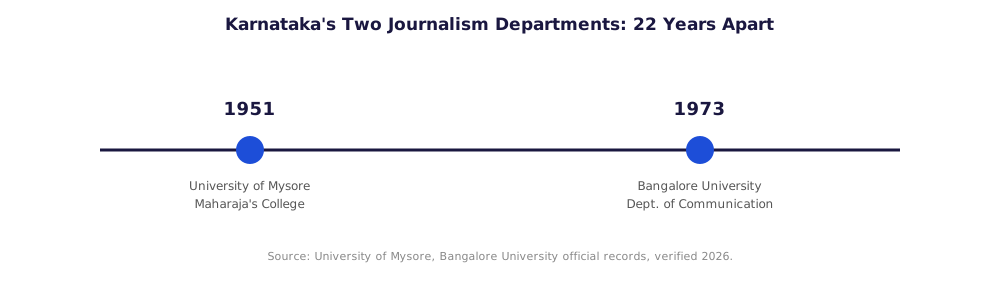
MA Journalism & Mass Communication at the University of Mysore means studying at Karnataka's original journalism department — started in 1951 at Maharaja's College, Mysore, genuinely predating Bangalore University's own department by 22 years. With a UGC-funded research focus on tribal development communication and a remarkably low fee, this is a historically distinct option from Bengaluru's cluster.
| Detail | University of Mysore — MA Journalism & Mass Communication |
|---|---|
| Department Started | 1951, at Maharaja's College, Mysore |
| Historic Distinction | Among the earliest postgraduate Journalism programmes in India |
| Parent University Founded | 1916, by Maharaja Krishnaraja Wodeyar IV — 6th oldest university in India |
| Course Level | Postgraduate (MA, 2 years) |
| Intake | Approximately 31 seats |
| Campus | Manasagangotri postgraduate campus |
| Funding Status | Grant-in-aid — fees and facilities government-fixed |
🎯 Use the Free KCET Rank Predictor — Enter your rank and category to instantly see which arts and media colleges you can get in 2026. No login required. Try KCET Predictor →
Why Does This Department's 1951 Founding Genuinely Matter?
Our main Journalism guide covers Bangalore University's Department of Communication, established in 1973. University of Mysore's journalism programme genuinely predates it — the Department of Journalism at Maharaja's College, Mysore, started in 1951, when journalism was offered as one of three optional subjects. Multiple sources describe this as the University of Mysore "creating history" by introducing Journalism as a postgraduate subject of study — among the earliest such programmes in India, not just Karnataka. This sits within the University of Mysore's own broader historical significance too: founded in 1916 by Maharaja Krishnaraja Wodeyar IV, it's the sixth-oldest university in India and the oldest in Karnataka specifically.
What Makes the Research Focus Here Genuinely Different?
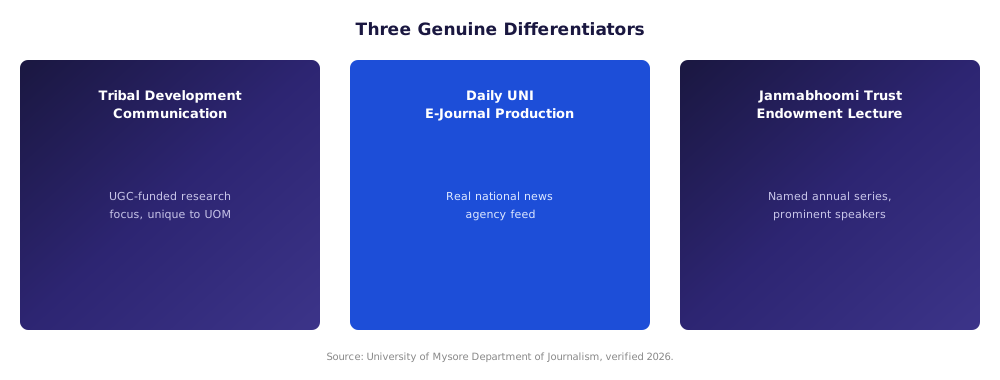
Beyond its history, the department has a documented, specific research specialisation most Bengaluru programmes don't share: it received UGC Special Assistance Programme funding specifically for "Tribal development support communication in Karnataka State" research, a genuinely distinct thrust area reflecting Mysuru's proximity to Karnataka's tribal belt regions compared to Bengaluru's more urban, corporate-media-focused programmes. If rural or tribal development communication genuinely interests you as a specialisation within journalism, this documented research focus is worth knowing about directly.

Does the Programme Offer Genuine Hands-On Training?
Students here produce a daily e-journal based on United News of India (UNI) news services as part of their practical training — genuine, ongoing production experience using a real, established national news agency's feed, rather than occasional coursework exercises. UNI itself, founded in 1959, is one of India's largest multilingual news agencies, supplying subscribers including All India Radio, Doordarshan, and hundreds of newspapers nationally — meaning students train on genuinely professional-grade news material, not simulated exercises. The department also runs a named annual lecture series, the Janmabhoomi Trust Endowment Lecture, bringing in prominent mass communicators and scholars specifically for student engagement, alongside other guest lectures throughout the year.
How Does the Fee Compare to Bengaluru Options?
Reported fees for this programme vary meaningfully by source — from as low as roughly Rs 5,500 to around Rs 25,600 for the full two years, reflecting genuine variation in what different aggregators count as "fees" (tuition alone versus total charges). Even at the higher end, this remains comparable to or below Bangalore University's own MA Journalism fee (around Rs 18,500-19,000 for two years, covered in our main guide), reflecting the department's grant-in-aid status where fees and facilities are government-fixed.
What Is the Admission Process Here?
Admission follows University of Mysore's standard postgraduate route — a graduation-level qualifying degree, with the university's own entrance test and internal selection process rather than a separate national exam. Confirm current specific eligibility and application timelines directly with the department, since this can shift year to year.
Who Should Consider Mysuru Specifically for Journalism?
- Students drawn to a genuinely historic department — among India's earliest postgraduate journalism programmes, not just a regional option
- Those specifically interested in tribal or rural development communication as a research or career specialisation
- Students who want daily, hands-on news production experience built into the programme, not just occasional practical modules
- Anyone weighing this alongside our Psychology at University of Mysore guide, since both departments sit on the same Manasagangotri campus if you're considering Mysuru broadly for postgraduate study
How Does This Fit With the Broader Karnataka Picture?
For Bengaluru's journalism landscape, PR and advertising tracks, and the genuine media-industry context covered there, our main Journalism guide and PR & Advertising guide cover the fuller picture — this page focuses specifically on what makes University of Mysore's historic department genuinely distinct.
Frequently Asked Questions
Is University of Mysore's Journalism department genuinely older than Bangalore University's?
Yes — it started in 1951 at Maharaja's College, Mysore, predating Bangalore University's Department of Communication (1973) by 22 years, and is described by multiple sources as among India's earliest postgraduate journalism programmes.
What makes the research focus here different from Bengaluru programmes?
The department received UGC Special Assistance Programme funding specifically for tribal development communication research in Karnataka, a documented specialisation most Bengaluru-based programmes don't share.
What is the fee for MA Journalism at University of Mysore?
Reported figures vary by source, from roughly Rs 5,500 to Rs 25,600 for the full two years — comparable to or below Bangalore University's own MA Journalism fee.
Is there genuine hands-on training in this programme?
Yes — students produce a daily e-journal based on UNI news services as part of their practical training, alongside a named annual lecture series bringing in prominent mass communicators.
Does University of Mysore also offer Psychology on the same campus?
Yes — both the Journalism and Psychology departments sit at the Manasagangotri postgraduate campus, worth knowing if you're weighing Mysuru broadly for postgraduate study across multiple fields.
Need help figuring out whether Mysuru's Journalism programme or a Bengaluru option fits your plan better? WhatsApp +91 6363 330 233 and we'll help you think it through. We help you get the best admission to your preferred colleges without hassle.
Information on this page is compiled from University of Mysore's own published department information and cross-checked institutional sources. Always confirm current fees and admission details directly with the university. Published by L K Monu Borkala, founder of OneCity Technologies — publishing Karnataka education directories since 2006.